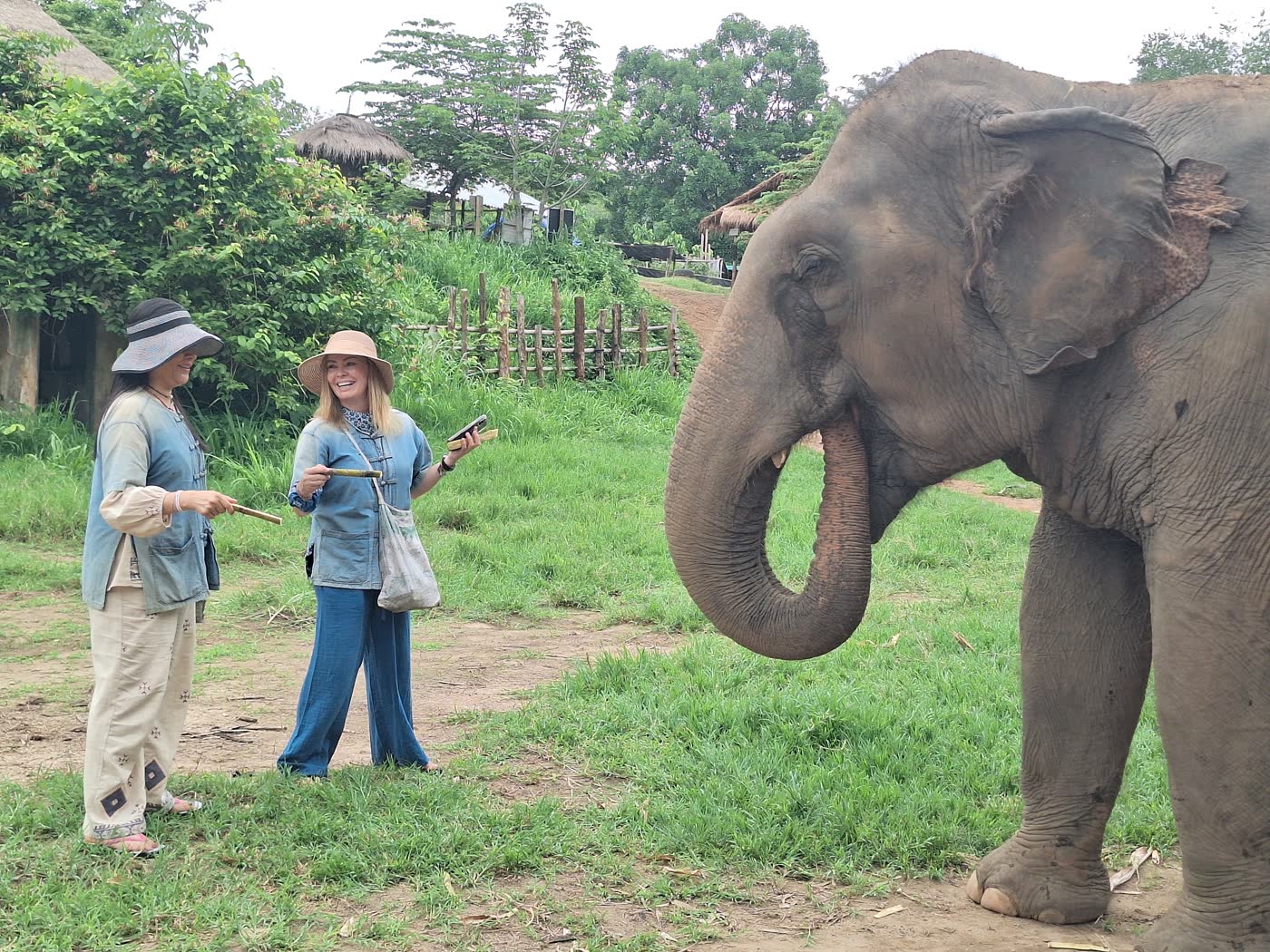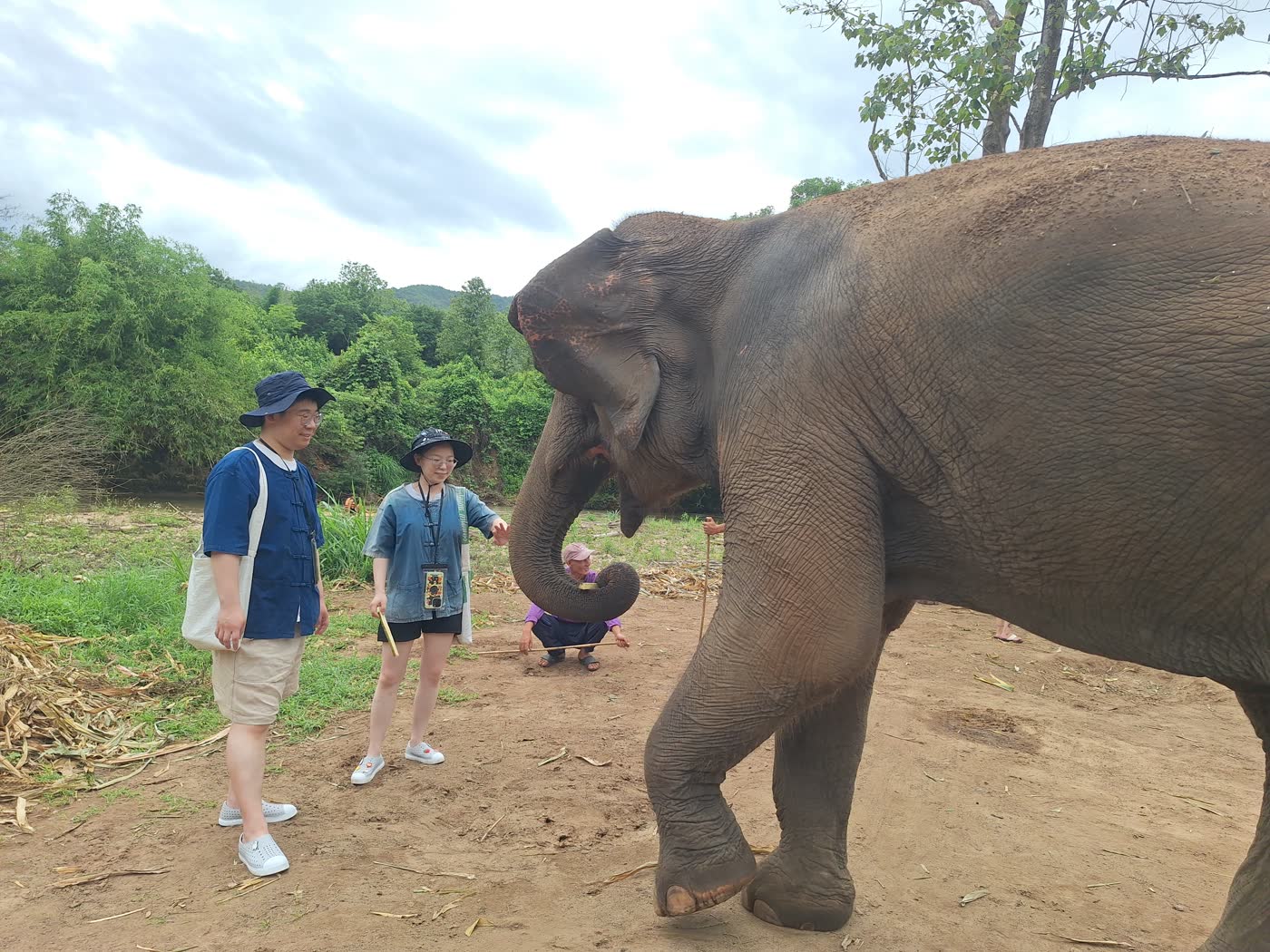
Quick answer: An elephant mud bath can only be ethical when the elephant chooses to participate and can leave. If the activity is forced, scheduled for photos, or controlled for the visitor, responsible travelers should avoid it.
The real question is choice
Mud and water are natural parts of elephant life, especially in warm climates. The problem is not mud itself. The problem is control. If guests are promised a guaranteed bath, ask how that promise is kept when an elephant does not feel like joining.
What responsible operators do
Better sanctuaries frame water or mud time as possible, not guaranteed. Guides watch the animal mood, weather, ground conditions and safety. Guests may observe from the edge or join only when the elephant is comfortable and the guide says it is safe.
Questions to ask before booking
- Does the tour say no forced bathing?
- Can guests watch instead of joining water activity?
- Does the itinerary explain that elephant behavior can change?
- Are riding and shows clearly refused?
How ThaiEleHub talks about water activity
ThaiEleHub uses elephant-led language because the animal should set the rhythm. On some routes, river or mud time may happen. On other days, observation is the better experience.
FAQ
Is touching an elephant always wrong?
Not always, but the interaction should be guide-managed, brief and respectful. Observation is often better.
Should I bring swimwear?
Only if your route includes optional water time. A change of clothes is still useful.
Can I still get photos without bathing?
Yes. Natural walking, feeding and forest moments often create better memories.