Elephant Bathing, Feeding and Touching in Thailand: What Responsible Travelers Should Know
Travelers searching for an ethical elephant sanctuary in Thailand often find conflicting advice. Some tours advertise bathing and close-up contact as caring activities. Other welfare organizations encourage visitors to choose observation-led experiences. It is worth understanding why the conversation has changed.
Is elephant riding ethical?
A responsible answer is straightforward: avoid elephant riding and circus-style performances. World Animal Protection advises travelers to move away from venues built around riding, shows and direct-contact entertainment. These activities prioritize visitor expectations over elephant autonomy.
What about bathing with elephants?
Bathing can look gentle in photos, but the ethical question is whether the elephant chooses the interaction. A repeated bathing schedule built around groups of tourists can reduce the animal's control over its own behavior. Elephants are capable of bathing themselves. Observation-led experiences allow them to decide when and how they use water.
Is feeding different?
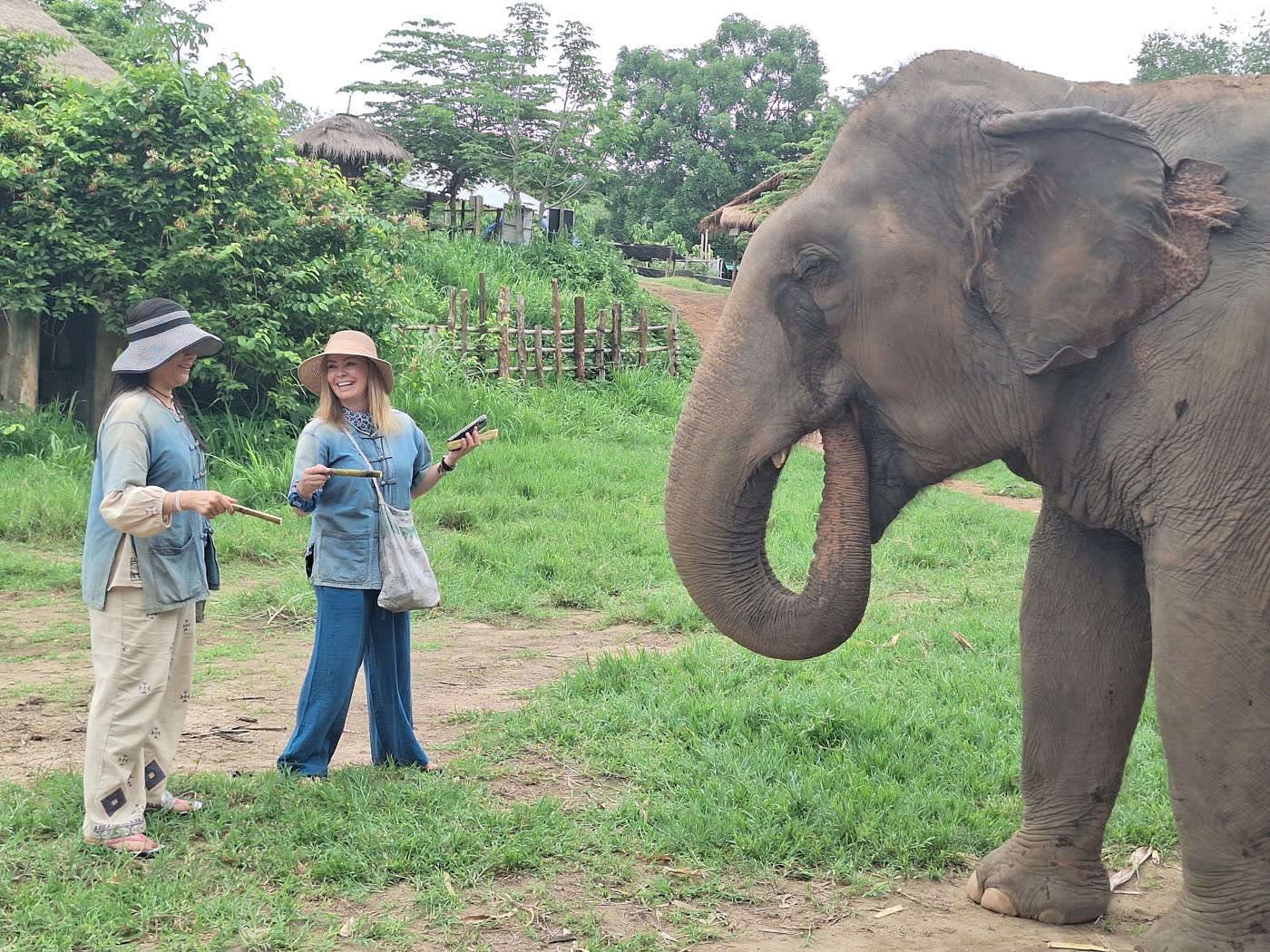
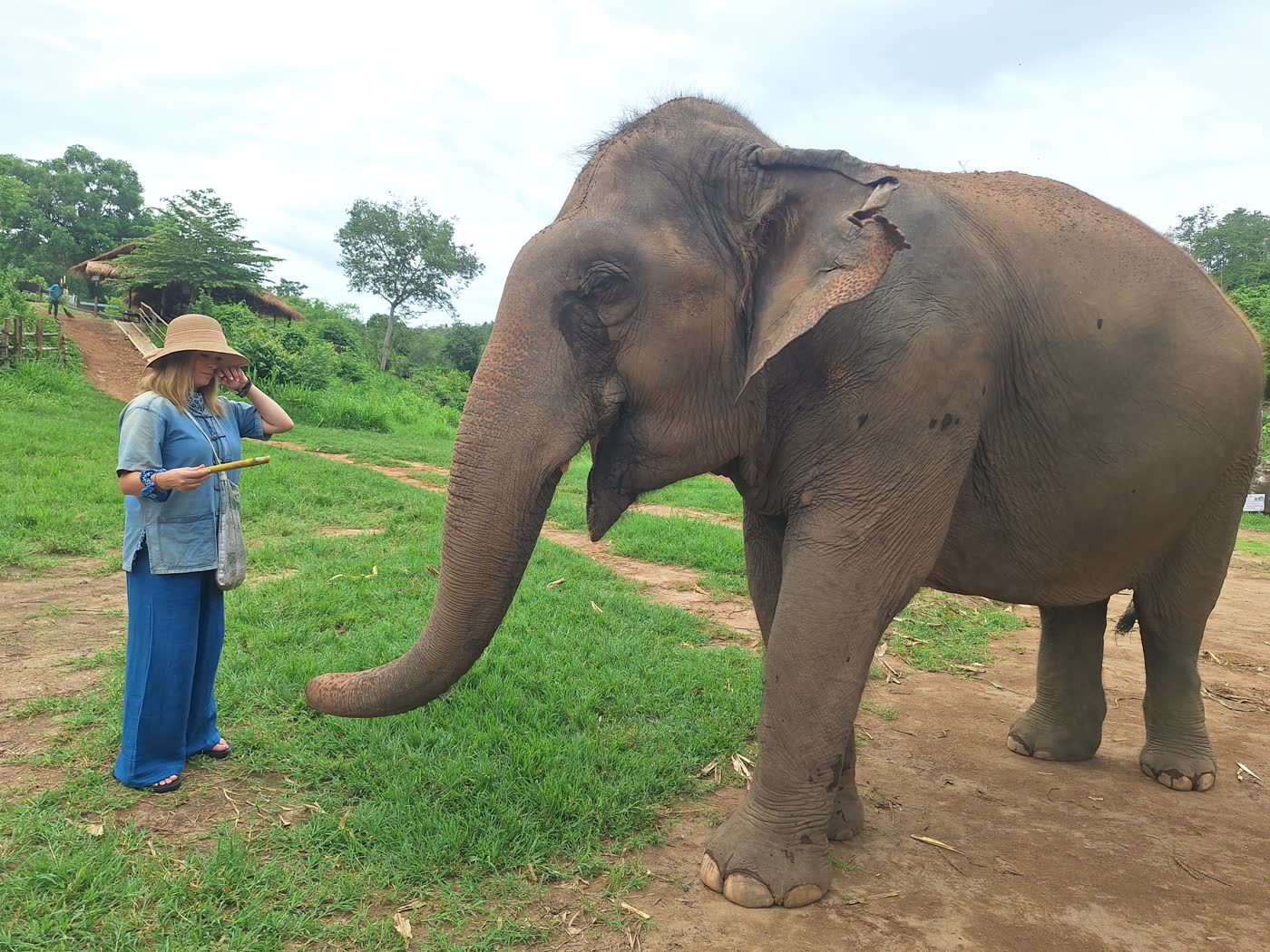
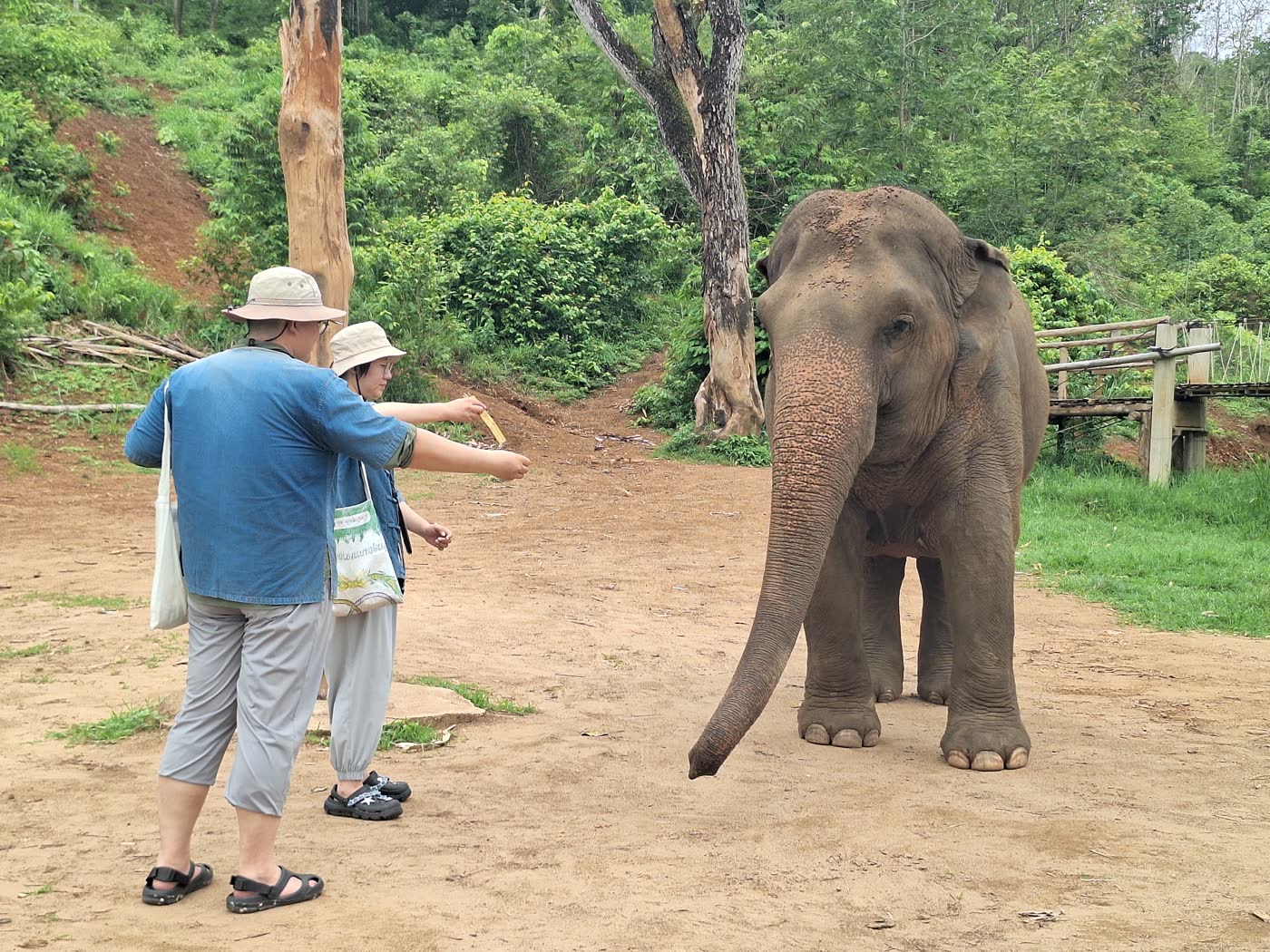
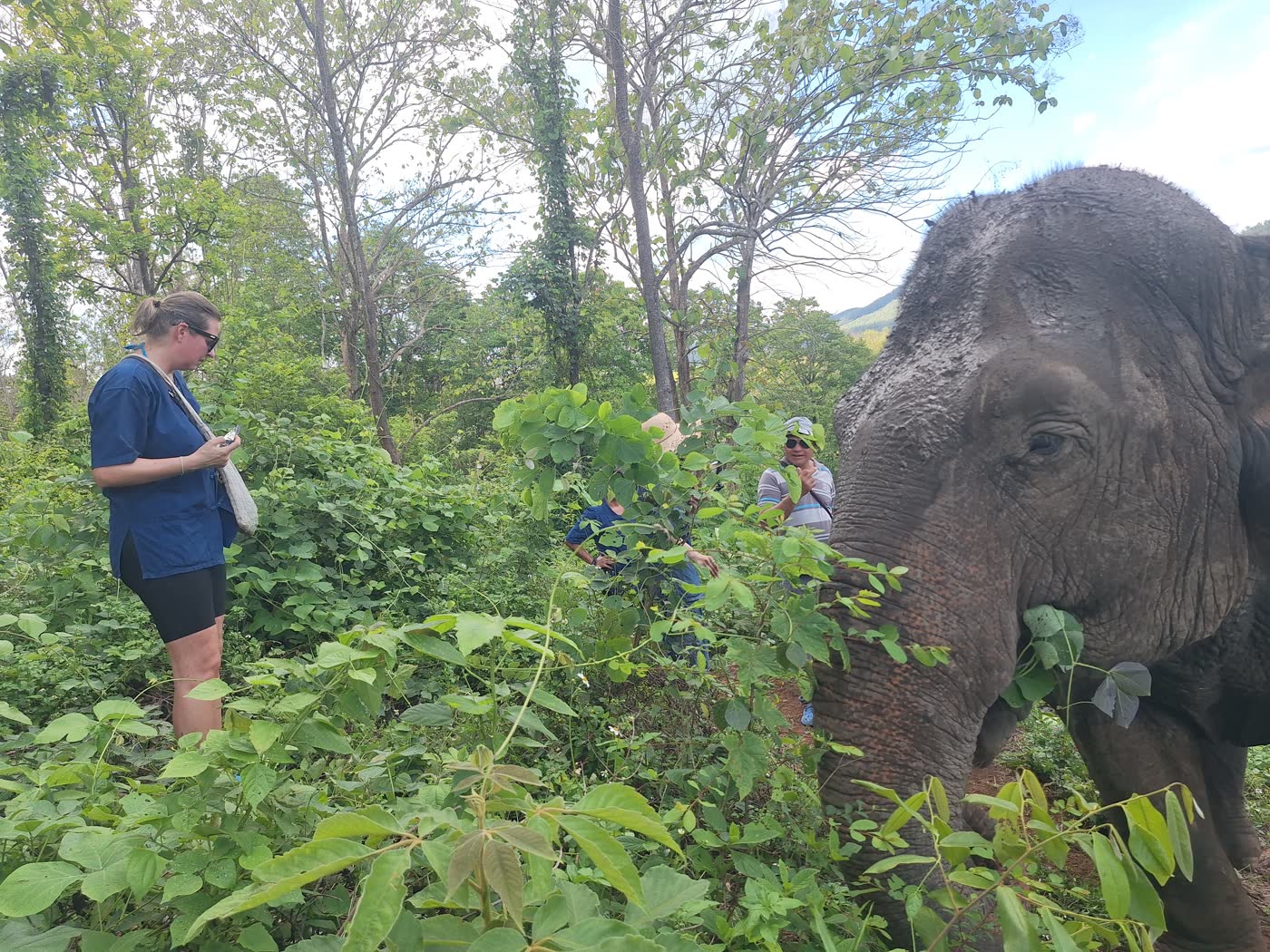
Feeding is also worth examining carefully. A limited, supervised food-related activity is not the same as an animal being required to interact with visitors throughout the day. Ask whether the elephant can move away and whether the experience is organized around the animal's comfort rather than a guaranteed photo opportunity.
Mud baths and water time: natural behavior versus tourist performance
Natural elephant behavior has variation. Sometimes elephants enter water. Sometimes they do not. A forced bathing activity looks predictable: same location, same pose, same group photo, repeated multiple times per day.
The ethical question is not "is mud bad?" It is "who controls the moment?" If the elephant chooses the mud, moves freely, and staff keep guests at a respectful distance, the scene can fit into a care-based visit. If the elephant is repeatedly brought into the mud so visitors can touch, splash, or pose, the activity becomes entertainment.
Why elephant bathing became a popular selling point
Bathing scenes photograph well and feel intimate, so many venues began treating bathing as a promised highlight — a scheduled event rather than a natural moment. Welfare-minded programs have moved away from this model because it puts too much pressure on animals and reduces their choice. The best programs describe the experience as care-based observation rather than a guaranteed photo opportunity.
Questions to ask if an itinerary mentions bathing or mud
- Does the itinerary promise guaranteed bathing or swimming with elephants?
- Are guests expected to touch, scrub, or climb on the elephant?
- Do staff explain distance rules before the water activity begins?
- Can the elephant leave the water area or decline the activity?
A careful program describes the experience in terms of observation, feeding, walking, and care. If the main selling point is "swim with elephants" or "best elephant selfie," read the full itinerary carefully before booking.
Why does observation matter?
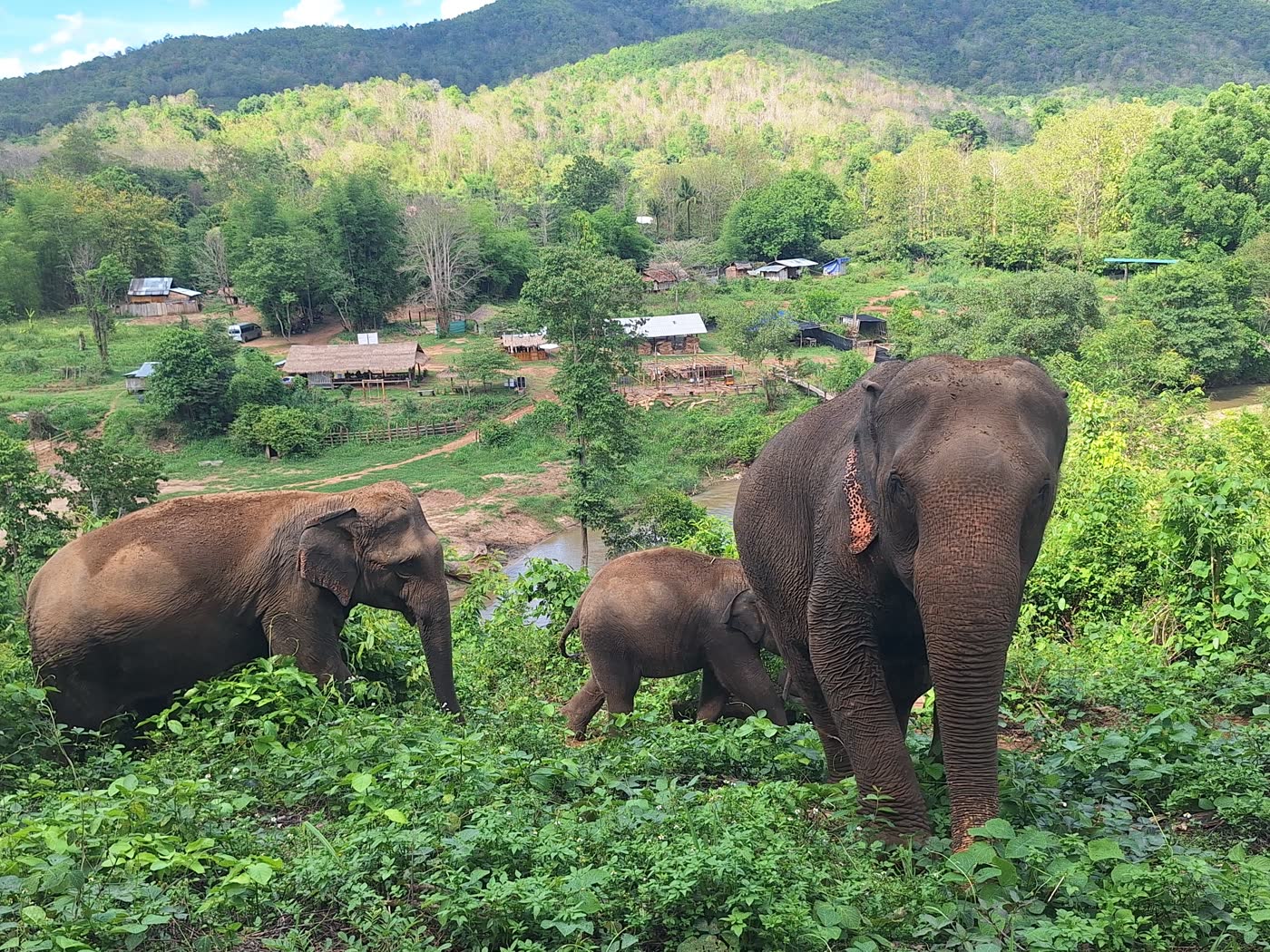
Observation gives travelers a chance to appreciate elephants as animals with their own rhythms. Walking, foraging, resting and social behavior may look less dramatic than a staged activity, but that is precisely the point. The visit becomes more honest.
A simple booking checklist
- No riding
- No circus tricks or performances
- No forced poses for photographs
- Clear information about the itinerary
- Enough space for elephants to move away from visitors
- Guides who explain boundaries before the experience begins
Why reviews alone can be misleading
Many travelers notice that venues can have excellent star ratings and still receive occasional accusations about welfare. Reviews are useful, but they mostly describe visitor satisfaction. They do not always show what happens before or after a group arrives. Read reviews for patterns: repeated mentions of chains, hooks, rushed groups or aggressive handling deserve attention.
Responsible visitor behavior
- Do not chase an elephant for photos.
- Do not stand behind or under an elephant.
- Do not pressure staff to create closer contact.
- Listen when a guide asks the group to pause or step back.
- Accept that observation can be more ethical than touching.
FAQ
Does "sanctuary" automatically mean ethical?
No. Treat the word as a starting point, not proof. Read the itinerary and ask practical questions before booking.
Can I still take photographs during an observation-led visit?
Yes. Respectful photography can be part of the experience. Keep your distance, follow the guide's instructions and avoid trying to create a staged moment.
Where can I learn more?
Read the ThaiEleHub ethical sanctuary checklist and the independent World Animal Protection elephant-friendly tourist guide.