Updated on: 2026-07-11
- What Ethical Elephant Tours Actually Mean
- Did You Know?
- Expert Tips for Choosing a Responsible Tour
- A Personal Encounter With Responsible Travel
- How to Compare Tour Plans Without Guesswork
- What a Good Day With Elephants Should Look Like
- Common Mistakes to Avoid
- Summary & Takeaways
- Q&A Section
- About the Author
Ethical elephant tours: a clear guide for responsible travelers
Ethical elephant tours are a practical way to travel with respect for wildlife, support credible conservation work, and learn from local expertise. When you choose the right program, you reduce the risk of harm and increase the chances that your visit funds habitat care, staff training, and community projects. This guide explains what to look for, how to compare options, and how to plan a meaningful day that aligns with responsible tourism standards.
Responsible elephant travel is not only about what you do not see. It is also about the systems behind the experience: welfare rules, transparent policies, and a commitment to long-term outcomes. By asking the right questions and matching your expectations to the reality of conservation, you can make decisions that feel confident and grounded.
Start with the definition, not the marketing
Many tours use similar phrases, yet the standards can differ widely. Ethical elephant tours typically focus on non-invasive, behavior-respecting experiences. These programs prioritize animal welfare over entertainment value and set clear rules for visitor conduct. A responsible tour also explains how elephants are managed day to day, including nutrition, medical support, and staff-led enrichment.
Rather than relying on broad claims, look for measurable commitments: documented welfare practices, staff training, and a tour format that keeps animals in control of their environment. When an operator can explain policies plainly, it is easier for you to verify that your participation supports ethical outcomes.

Clear pathway signs and enrichment tools visual
Link the experience to conservation and communities
The strongest responsible programs connect animal care with habitat protection and local livelihoods. This can include collaboration with conservation networks, training for caretakers, and support for community initiatives that reduce pressure on natural areas. When a tour is structured around these priorities, visitor involvement becomes more than observation. It becomes a contribution to sustainable stewardship.
To evaluate this dimension, review whether the program describes how funds are used, what long-term work it supports, and how it manages visitor impact. A credible operator does not avoid accountability; it provides enough detail for you to understand where value goes.
Did You Know?
- Elephants benefit from varied enrichment that encourages natural behaviors.
- Visitor guidelines often reduce stress by limiting noise and contact.
- Conservation-focused programs emphasize staff expertise and consistent daily routines.
- Ethical tours can still be memorable through observation, learning, and guided interaction rules.
Expert Tips for choosing a responsible elephant sanctuary tour
Selecting a program can feel complex, especially with many travel packages available. Use these practical checks to filter options quickly and reduce uncertainty.
1) Confirm the welfare framework
Ask how the program defines welfare. Look for clear explanations of health monitoring, nutrition routines, and enrichment approaches. A credible operator can outline how staff manage elephants and how visitor behavior is regulated. If answers are vague or defensive, it is a sign to proceed carefully.
2) Assess visitor rules before you book
Responsible programs typically set expectations for quiet movement, distance guidance, and limited contact. These rules help protect animals from stress and help you avoid unsafe or intrusive behavior. When the tour description includes specific conduct standards, you can plan with confidence.
3) Look for an education-first approach
High-quality ethical elephant tours include interpretation that explains elephant behavior, habitat needs, and the sanctuary’s conservation mission. Education transforms a viewing moment into structured learning and helps you understand why certain interactions are not appropriate.
4) Prioritize staff-led time over scripted attractions
If the itinerary centers on animal-led moments and guided observation, it usually indicates respect for natural behavior. Be cautious of plans that feel timed for photos or where the animal appears to be forced into a set performance. The best sanctuaries do not treat elephants as props.
5) Choose logistics that fit your group
Tour length, transportation, and pacing affect both your comfort and the environment for the animals. Family-friendly planning matters. If traveling with children, select an itinerary with clear guidance and manageable structure. If you prefer a calmer pace, select a format designed for shorter, focused observation rather than high-volume group movement.
If you want a well-structured ethical itinerary in Northern Thailand, consider reviewing options such as ethical half-day morning for a shorter introduction. If you are planning a more immersive visit, browse full-day experiences that combine learning with local culture in a balanced schedule.
A Personal Encounter With responsible travel
I remember arriving at a sanctuary with a simple goal: learn and observe respectfully. The first difference I noticed was not the physical setting; it was the tone of the briefing. Staff explained boundaries clearly, described how elephants make choices, and focused on welfare practices before any visitor interaction took place.
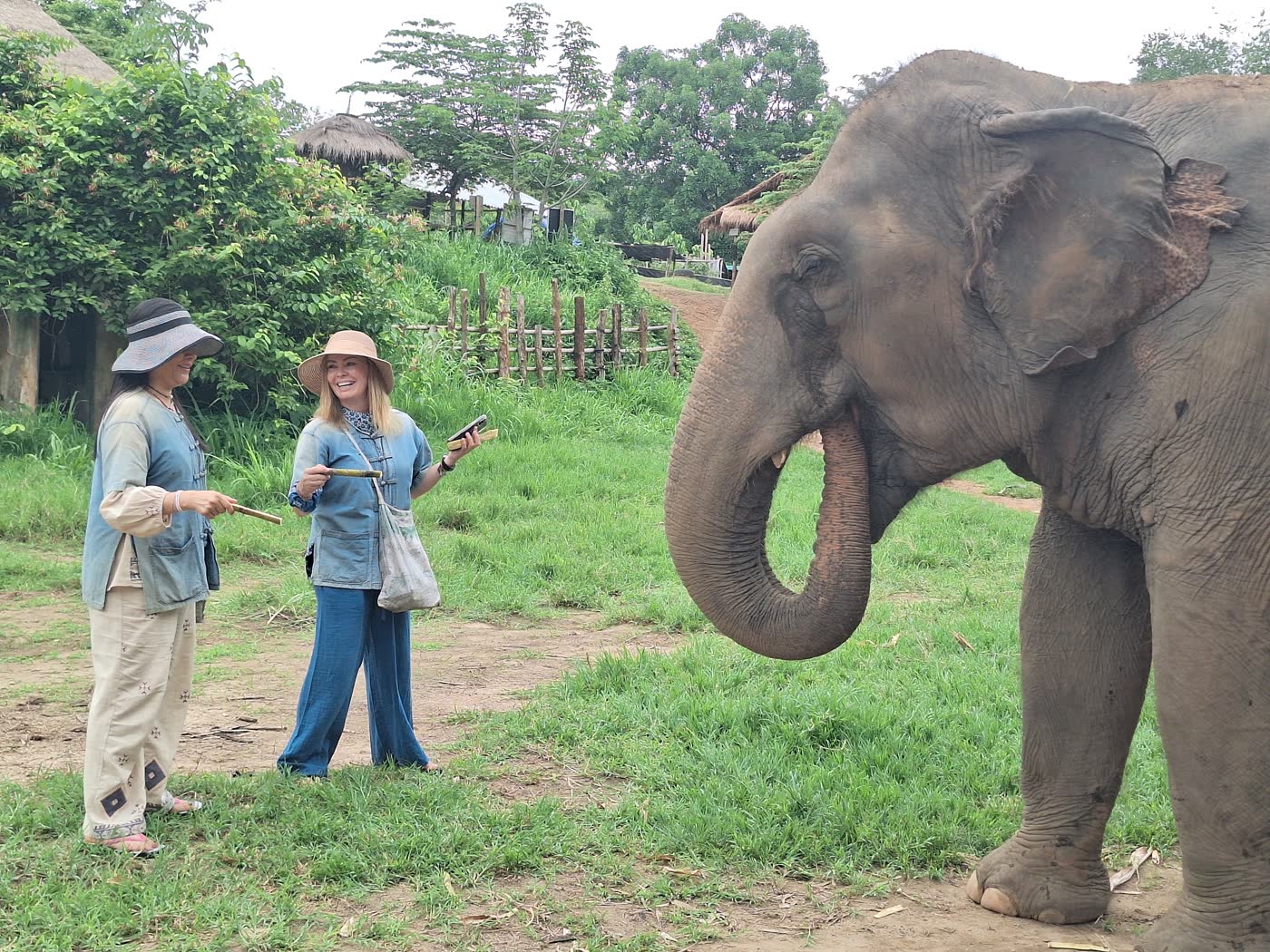
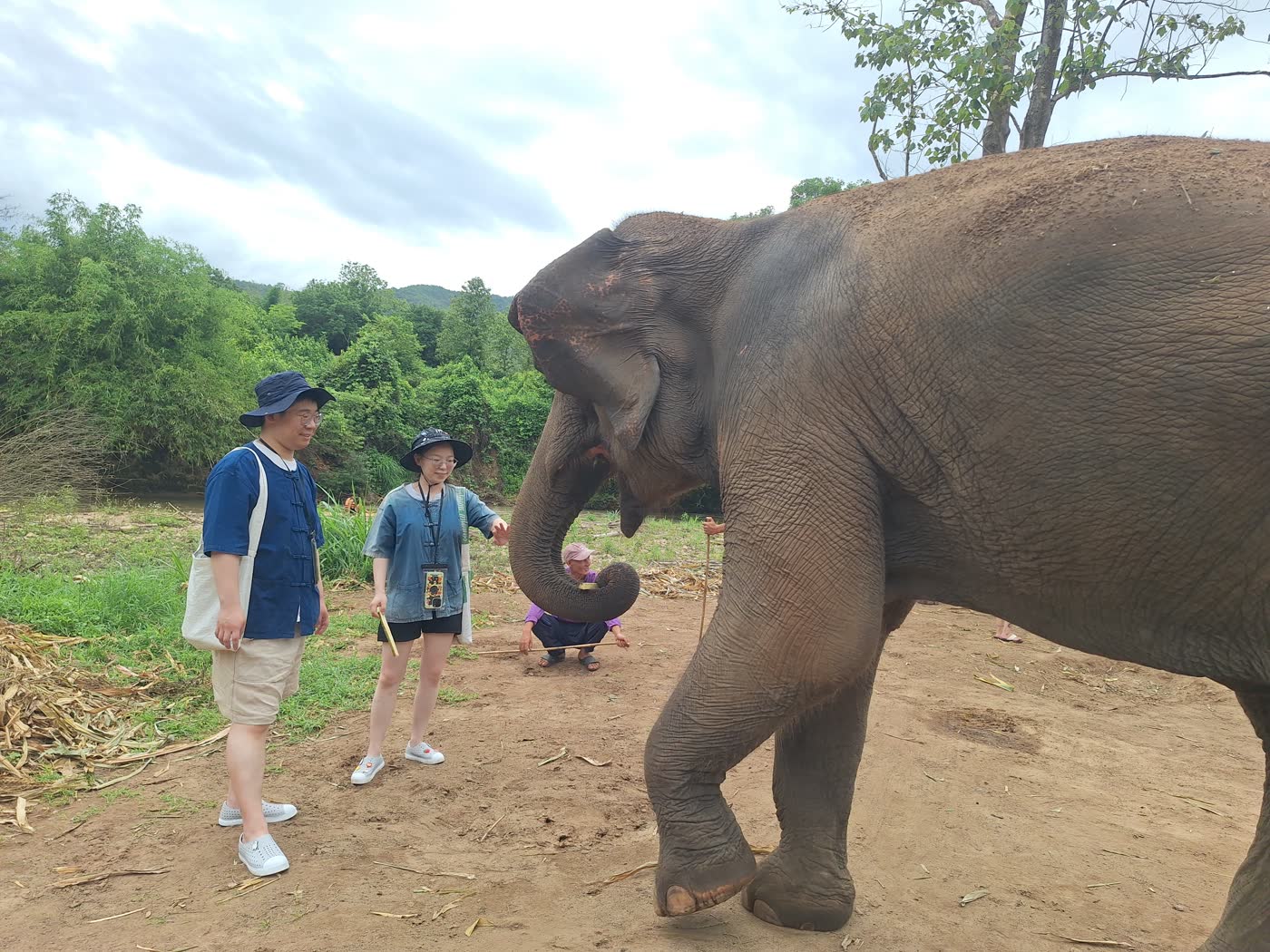
Later, I watched an elephant move at its own pace. The moment felt unforced. I also realized that ethical travel still offers emotional impact, because meaningful experiences come from observing real behavior and understanding care routines, not from staged activities. After the tour, I felt more informed and more responsible as a traveler, with a clearer idea of how my spending can support conservation over entertainment.
That day changed the way I plan. Now I look for tour designs that respect animal autonomy, provide education, and make policies easy to follow. Ethical elephant tours become less about a checklist and more about a shared commitment to welfare.
How to compare tours without guessing
Comparison should be evidence-led. Use the criteria below so you can evaluate programs consistently across different operators and locations.
Evaluate the itinerary design
Look for time that supports observation, education, and behavior-respecting interaction. If a plan includes feeding, it should follow strict guidance and should not encourage unsafe or excessive contact. The order of activities matters as well. Ethical programs often prioritize calm transitions and stable routines rather than rapid switching between tasks.
Check the staff-to-elephant approach
Ethical elephant tours usually rely on experienced caretakers who manage elephant needs. A responsible program can explain staff roles and the reasons behind the structure of the day. If staffing details are completely absent, it may be harder to confirm how welfare is maintained.
Review what is included and what is excluded
Some tours describe only the highlights. A stronger description clarifies conduct rules and the nature of interaction. Read carefully for clarity. If you see warnings about limited contact, quiet behavior, or guidance for appropriate distances, that information is useful. If you only see broad promises with minimal detail, you may need additional confirmation before booking.
Confirm how the program handles safety
Safety policies are part of ethics. Responsible sanctuaries include clear guidance about movement, weather considerations, and behavior expectations. Avoid programs that treat safety as an afterthought. When welfare and visitor conduct are both addressed, it becomes more likely that your experience stays respectful and controlled.

Stacked itinerary cards and rule icons visual
Use cross-checks for transparency
Look for consistency between what the itinerary promises and what the operator explains about welfare policies. Transparent programs align their visitor experience with the sanctuary’s daily management. If you encounter contradictions, treat them as a reason to ask more questions or to select a different operator.
What a good day with elephants should look like
A responsible sanctuary visit can be structured yet still feel natural. The best ethical elephant tours emphasize calm pacing, respectful distance, and educational moments that deepen understanding.
Guided observation with clear conduct rules
You should receive guidance on how to behave around elephants. This includes noise level expectations and movement etiquette. The goal is to keep the experience low-stress for elephants while allowing visitors to watch behaviors such as foraging, social interaction, and movement patterns.
Short, meaningful interactions when appropriate
If interaction is part of the program, it is typically limited and staff-directed. The purpose is not to impose a photo opportunity. It is to support safe engagement under strict welfare standards. A well-run program also signals that the elephant is not an attraction. It is an animal with needs that caretakers must prioritize.
Education about conservation and care
Expect explanations that connect your visit to conservation goals. This may include habitat protection context, the role of enrichment, and how staff support health monitoring. When education is integrated into the day, your experience becomes more valuable and more responsible.
Respect for local culture and practical travel planning
Good tours often include elements of local life, such as guided meals or cultural activities that highlight community knowledge. For example, some programs combine ethical sanctuary time with local culinary learning. You can explore options like sanctuary plus nature and cooking for a balanced itinerary that supports responsible planning.
Common mistakes to avoid
Even well-intentioned travelers can make choices that reduce ethical alignment. Avoid these pitfalls when selecting your tour.
Confusing “contact” with “care”
Ethical travel is not defined by the closeness of an interaction. Elephants require stress-minimizing management and consistent care. A program can limit contact while offering educational, behavior-respecting experiences. Choose welfare over novelty.
Booking only based on duration or price
Short tours can be meaningful, and longer tours can be overwhelming if they are too fast-paced. Price alone does not indicate welfare quality. Evaluate the structure of the day, the clarity of rules, and the education component.
Ignoring group needs
Family travel requires pacing. If you have children, choose an itinerary that supports calm transitions and clear expectations. This protects both the group and the sanctuary environment.
Assuming all “sanctuary” experiences are the same
The term can be used broadly. Ethical elephant tours are better identified through policies, staff practices, and visitor conduct rules. Do not rely solely on labels; evaluate what the operator actually does.
Summary & Takeaways
Ethical elephant tours help you travel with respect for wildlife and support credible conservation priorities. To make a responsible choice, confirm the welfare framework, read visitor conduct rules, and prioritize education-first experiences. Compare itineraries by focusing on how time is structured, how staff manage elephants, and how the program aligns visitor impact with long-term care.
If you want your visit to reflect responsible tourism principles, choose a sanctuary program with transparent policies and a behavior-respecting format. With the right selection, your experience can be both meaningful and ethical, reinforcing a conservation mindset long after the trip ends.
Q&A Section
What makes an elephant tour ethical instead of merely marketed as “ethical”?
An ethical program explains welfare practices clearly, sets clear visitor conduct rules, and centers animal autonomy and staff-led care. It provides enough operational detail for you to understand how elephants are managed and how your participation reduces stress rather than increases spectacle.
Are ethical elephant tours suitable for families and first-time visitors?
Yes, many ethical elephant tours are family-friendly because they focus on guided education, calm pacing, and clear boundaries. Choosing a half-day or well-structured format can help children and first-time travelers feel comfortable while maintaining respectful standards for the elephants.
How can I verify that a tour supports conservation rather than only day-to-day entertainment?
Look for transparency about how funds contribute to conservation work, staff training, and welfare systems. A credible operator can describe long-term goals and daily practices that support health and enrichment, not only a short visitor-facing highlight.
About the Author
ThaiEleHub
ThaiEleHub is a travel content team specializing in English guidance for responsible elephant sanctuary visits in Thailand. Our expertise includes no-riding experiences, conservation learning, and practical planning for families and responsible travelers. We aim to help readers choose tours that respect animal welfare and support local stewardship with clear, evidence-minded recommendations. Thank you for reading.
Disclaimer: This article provides general travel guidance and evaluation criteria. Tour standards and practices can change over time, so confirm current welfare policies, visitor conduct rules, and itinerary details directly with the tour operator before booking.