How to Photograph Elephants Respectfully at a Thailand Sanctuary
Quick answer: The best elephant photos come from patience, distance, and respect. Do not chase close-ups, shout for attention, block an elephant's path, or ask guides to force a pose. Let natural behavior become the picture.
Why respectful photography matters
Many travelers book an elephant sanctuary because they want a memory they can keep. That is completely understandable. The problem begins when the photo becomes more important than the animal. Ethical photography keeps the elephant's comfort at the center of the moment.
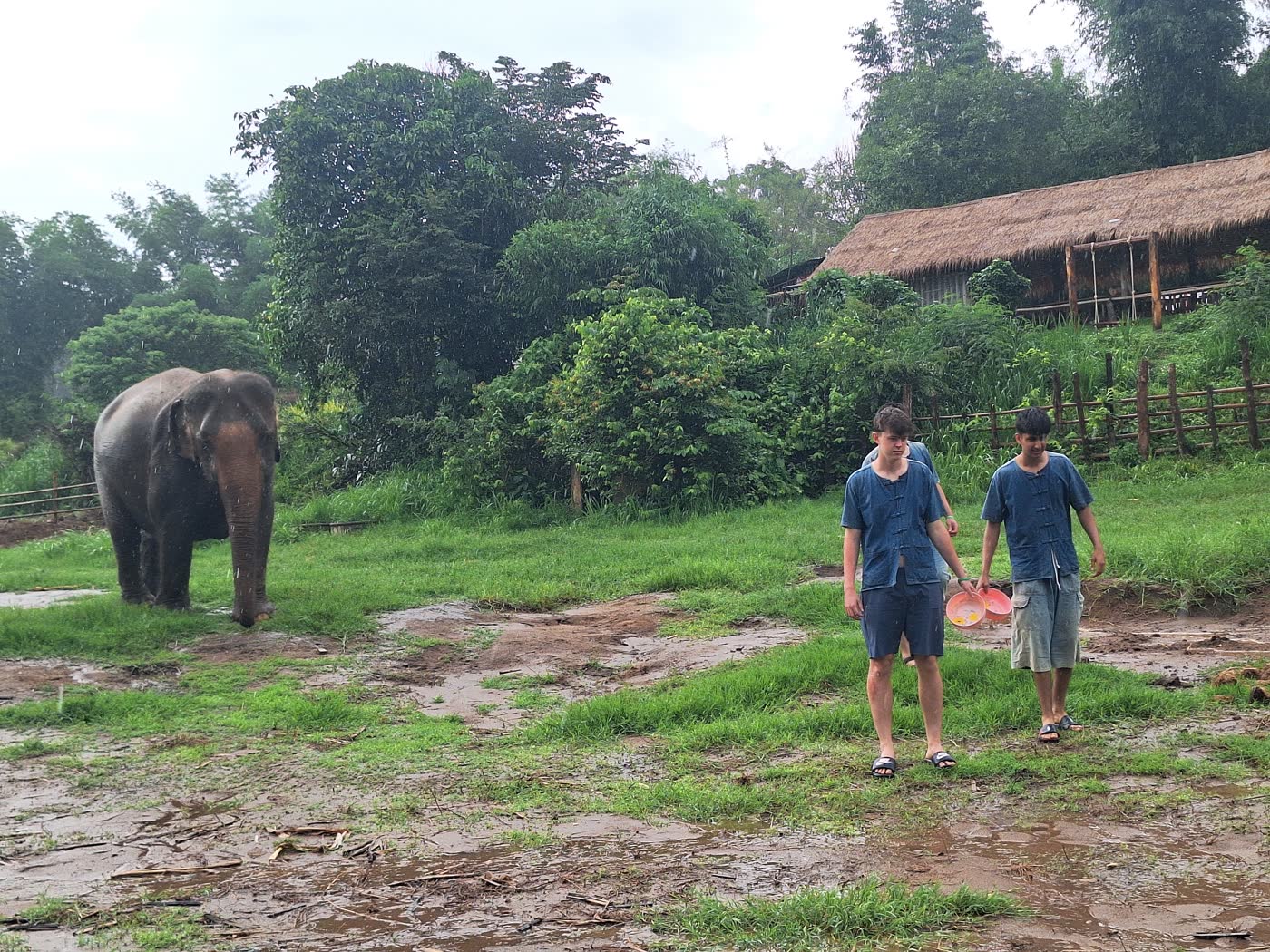
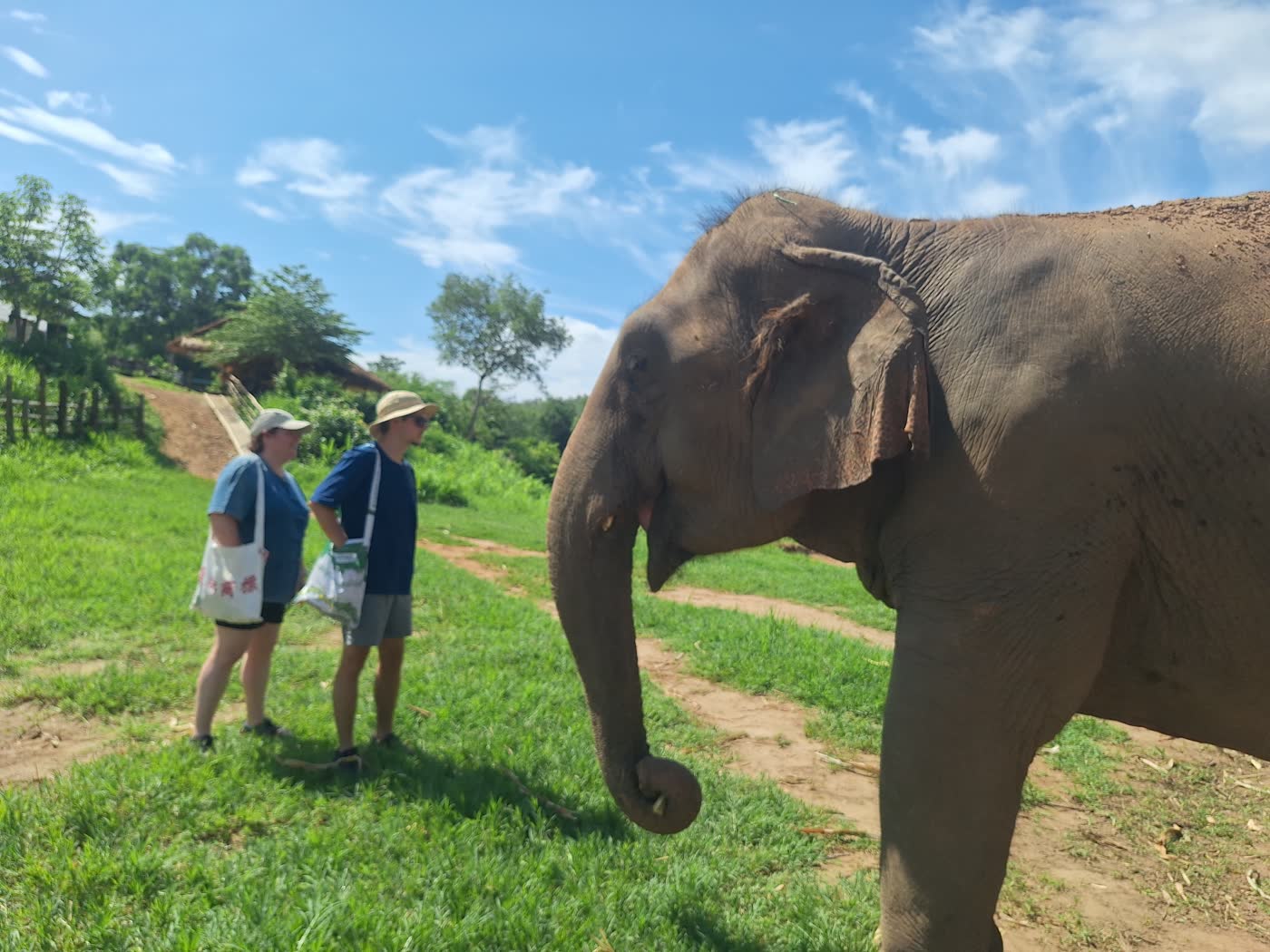
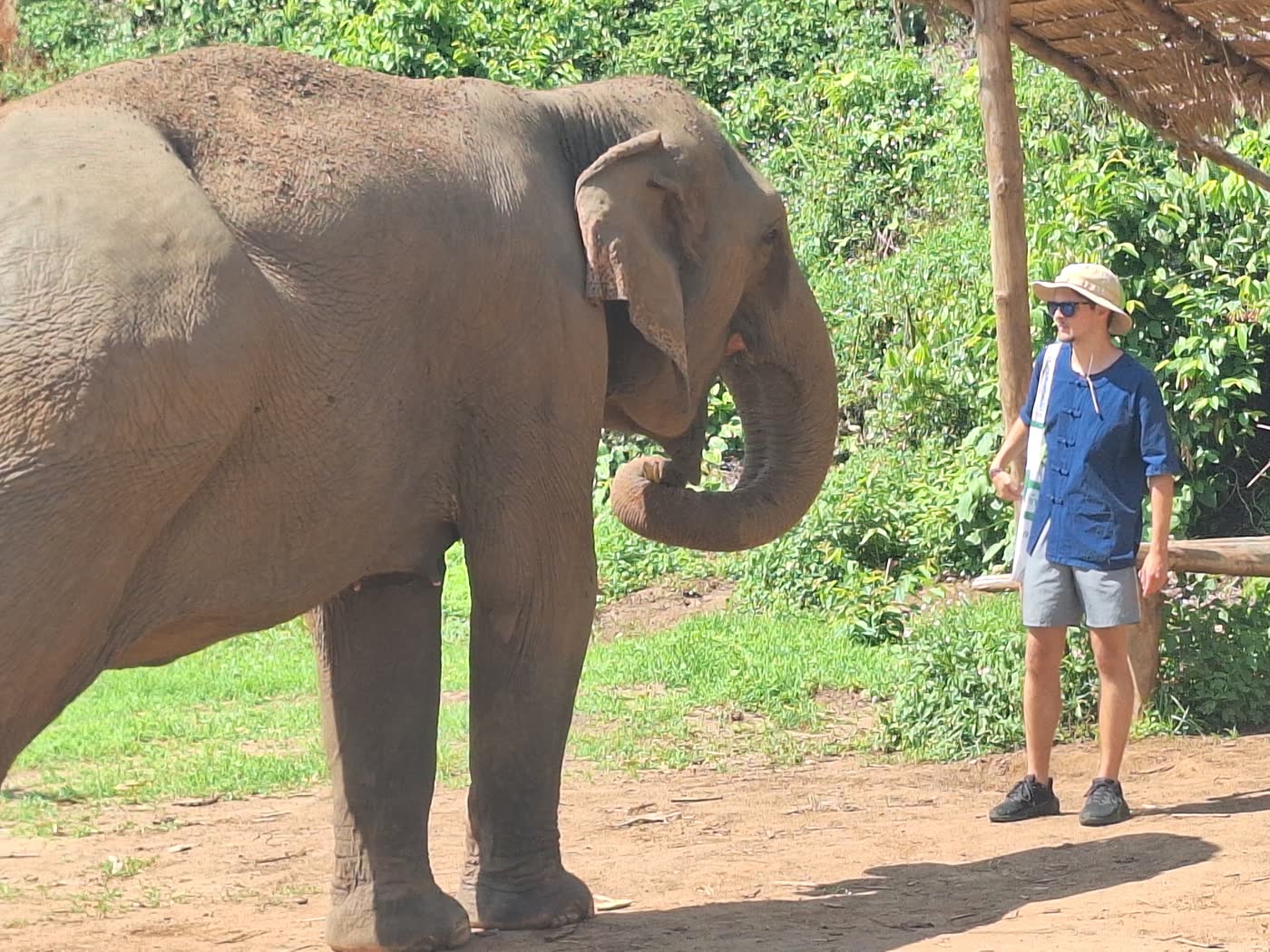
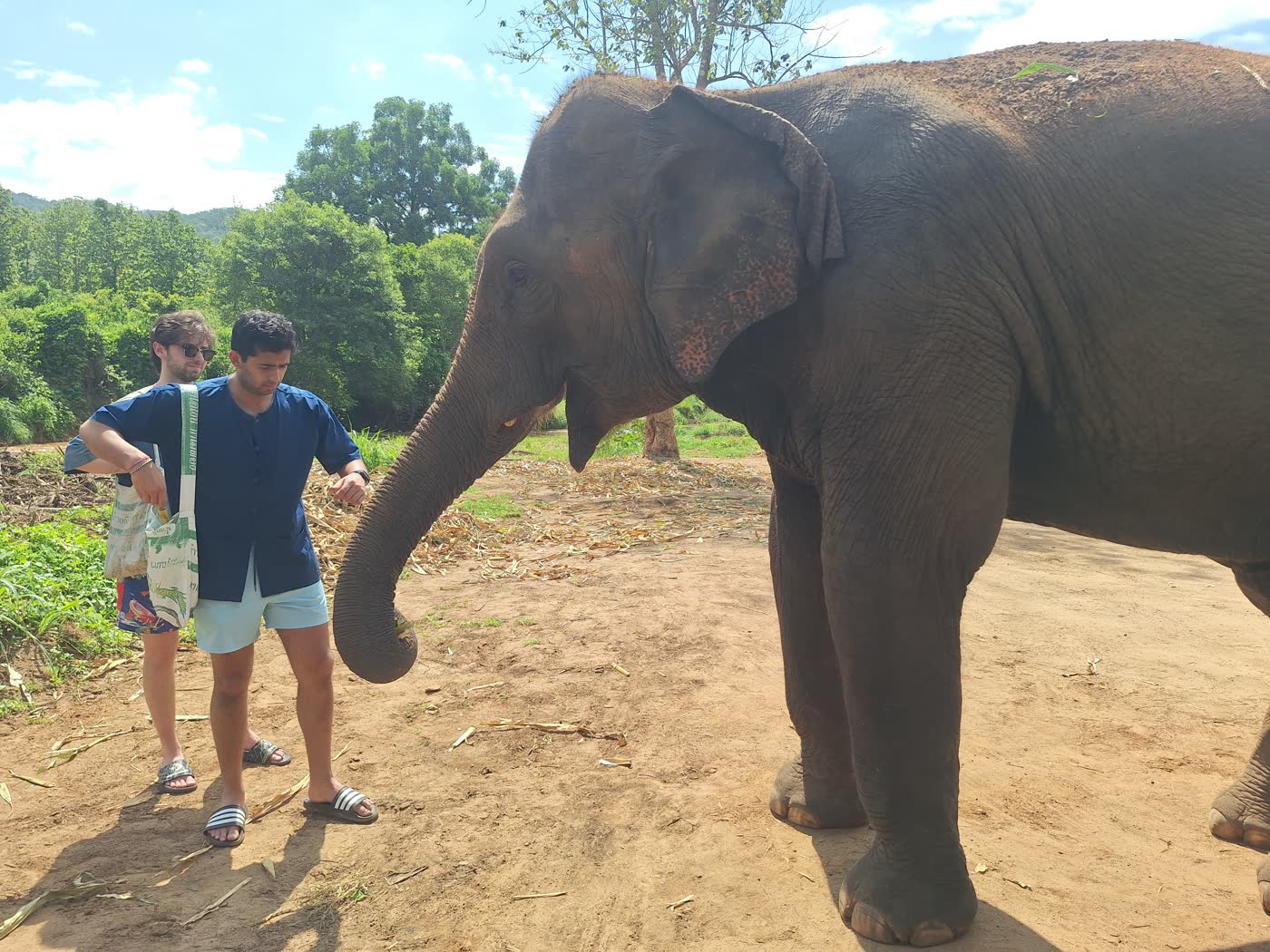
In practice, that means standing where the guide asks, moving slowly, watching body language, and accepting that some of the best images are wide shots: elephants walking, eating, dusting, resting, or moving through trees.
Better photos without pressure
- Use natural light instead of flash.
- Step back and include the forest, river, or open field.
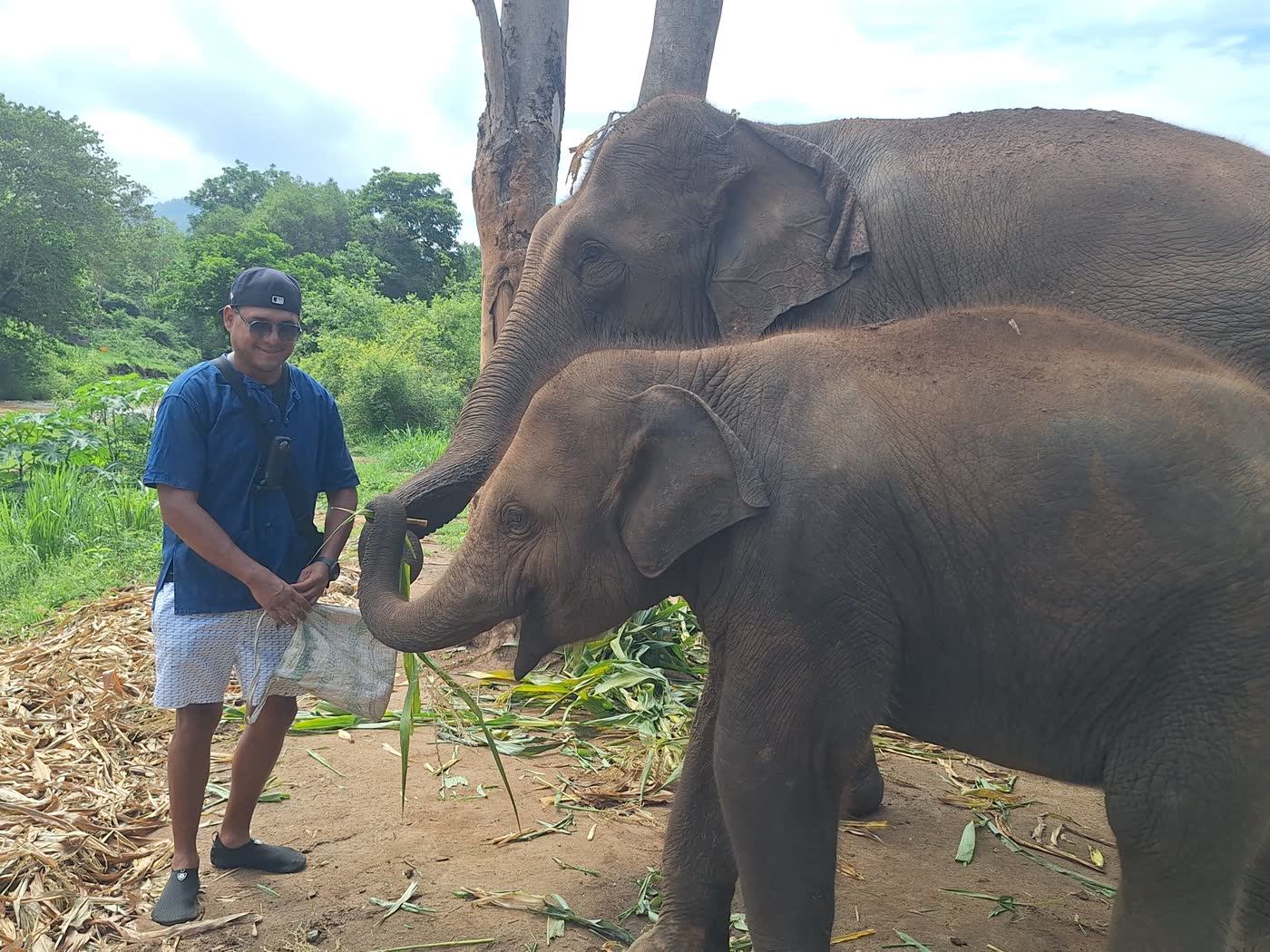
- Photograph quiet behavior, not just feeding moments.
- Keep phones and cameras secure around mud or water.
- Ask before photographing staff, mahouts, or other guests.
The photo you should avoid
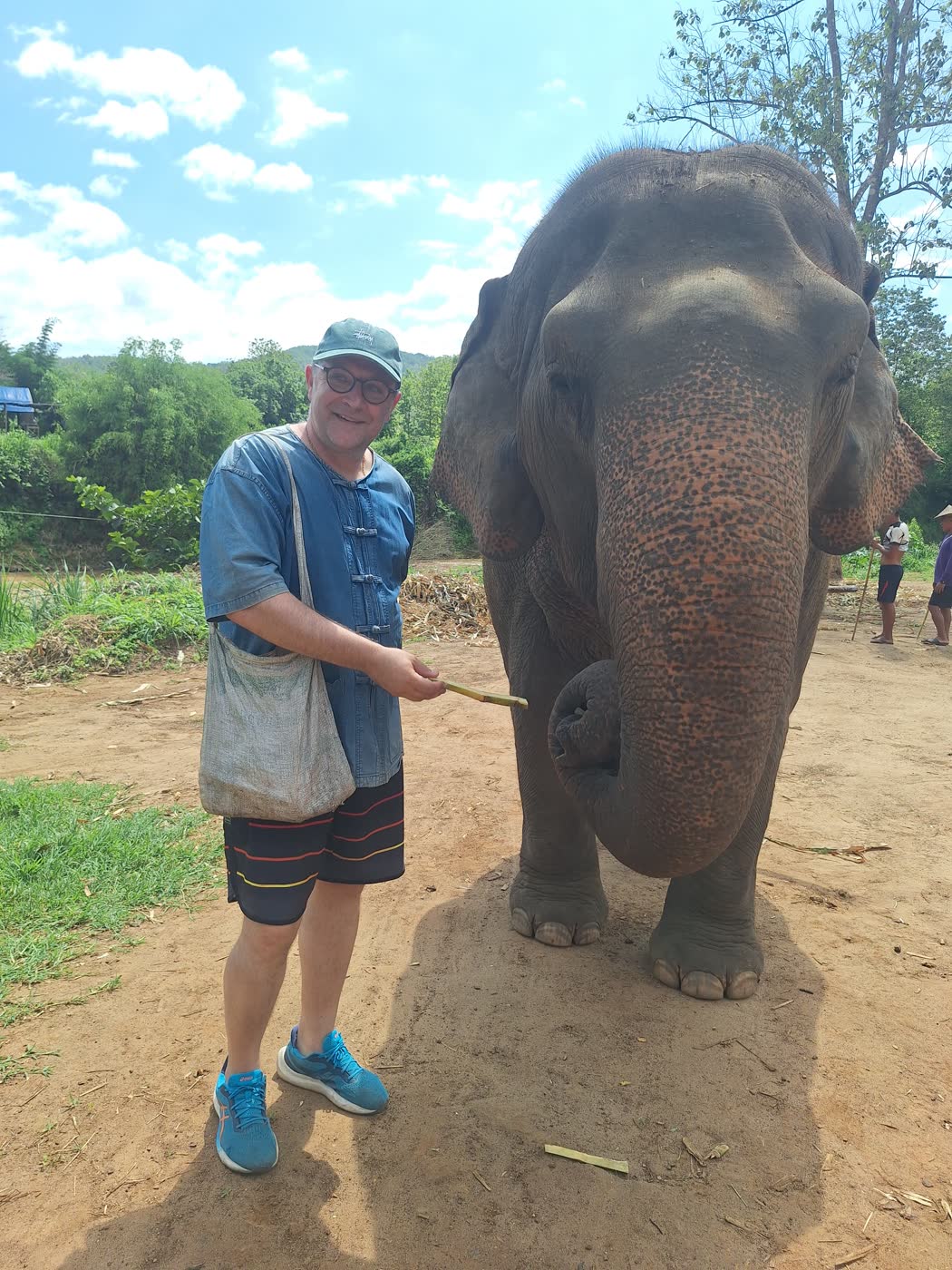
A close selfie can look exciting, but it is not always respectful or safe. If a guide says not to stand somewhere, listen. A good sanctuary would rather you miss a photo than make an elephant uncomfortable.
FAQ
Can I take photos during feeding?
Usually yes, if the guide says it is safe and you do not crowd the elephant.
Should I bring a big camera?
You can, but a phone is enough. The more important tool is patience.
Are professional photos included?
Some routes include photo support. Check the exact tour page before booking.