How to Spot No Riding Elephant Sanctuaries
Updated on: 2026-07-16
Choosing responsible travel around elephants requires more than a good story. If you are researching no riding elephant sanctuaries, the goal is to support genuine welfare and conservation practices without encouraging harmful entertainment. This guide explains how to evaluate sanctuaries, what your visit should look like, and how to plan a respectful experience for your group. You will also find practical booking cues and a short FAQ to clarify common questions.
- 1. Why responsible elephant tourism matters
- 2. What no riding elephant sanctuaries should mean in practice
- 3. How to evaluate a sanctuary before you book
- 4. What your day should look like when riding is not offered
- 5. Planning for families, first-time travelers, and groups
- 6. Chiang Mai and Phuket considerations for ethical visits
- 7. Final checklist for selecting the right option
- 8. FAQ
- 9. Closing thoughts
- 10. About the author
Why responsible elephant tourism matters
Elephant tourism in Thailand ranges from conservation-focused work to experiences that prioritize spectacle. When you search for no riding elephant sanctuaries, you are making a values-based choice. The difference between responsible and irresponsible operations is not always obvious from a website photo or a short social media clip. A careful traveler looks for indicators of animal-centered management, transparent safety practices, and education grounded in reality.
Responsible tourism supports healthier long-term outcomes for elephants and strengthens local ecosystems. It also protects visitors from engaging in activities that may normalize unsafe treatment. Most importantly, it improves the incentives that guide how organizations invest their time and resources.
If you want a structured way to compare options, start by learning what the best experiences avoid. In many cases, they also avoid close contact routines that can increase stress for animals. Instead, they prioritize observing natural behaviors and supporting care activities that reduce risk and improve welfare.
What no riding elephant sanctuaries should mean in practice
No riding elephant sanctuaries should be interpreted as a commitment to minimize exploitative interaction. That commitment should show up in multiple parts of the program. First, the absence of riding is the most visible sign. However, it is not the only one. You should also expect staff to manage movements for husbandry needs without using elephants as mounts.
Second, ethical visits typically emphasize observation, respectful distance when appropriate, and activities that do not require physical performance by the animal. Third, the organization should explain how care is delivered, including feeding routines, health monitoring, and environmental enrichment. These elements indicate that the sanctuary’s primary purpose is welfare and conservation rather than customer entertainment.
When evaluating any operator, focus on systems, not slogans. Ask what happens before guests arrive, what staff do daily, and how the sanctuary handles safety for both animals and people. A credible organization will be prepared to answer with consistent, practical details.

Guided observation path with calm wildlife icons
How to evaluate a sanctuary before you book
Use a structured evaluation process to reduce guesswork. The goal is to confirm that the experience aligns with your intention to avoid exploitative interactions and support genuine care.
1) Verify whether riding is truly not offered
Do not assume that “sanctuary” language automatically means no riding. Look for clear program descriptions. If the operator lists activities that imply mounting, position yourself to ask direct questions. In ethical programs, riding is not a selling point, and the itinerary should reflect that choice.
2) Assess staff roles and guest boundaries
Good sanctuaries teach guests how to behave around elephants without encouraging risky closeness. Staff should lead the day and manage the route. If guests are encouraged to crowd, rush, or handle elephants, that is a warning sign. A responsible operator sets boundaries and explains why safety rules exist.
3) Confirm animal-centered routines
Look for information about feeding practices, enrichment, and health monitoring. These topics matter because they indicate daily work that improves welfare. Be cautious of descriptions that focus primarily on photos, performances, or staged moments.
4) Evaluate transparency and consistency
Ethical operators generally communicate with specificity. They explain logistics, what to wear, how the group moves, and how the schedule works. Vague promises are less useful than practical guidance. When details remain consistent across pages and booking emails, the program is more likely to be well-managed.
5) Consider the community and environment angle
Conservation is not only about elephants. It includes land stewardship and support for local livelihoods. Programs that include education about threats, habitat needs, and local partnerships often have stronger conservation alignment. Even then, your job is still to confirm that the on-ground work matches the message.
What to ask in pre-booking questions
- How do elephants receive care daily, including feeding and health checks?
- How do staff ensure safety without using elephants as attractions?
- What does guest participation involve, and what is prohibited?
- How is the itinerary designed around elephant comfort?
These questions help you confirm your expectations for no riding experiences and reduce the risk of booking an itinerary that relies on behavior you want to avoid.
What your day should look like when riding is not offered
Many responsible programs structure the visit around observation and care support. You may participate in hands-on routines that do not require mounting. Common elements include guided learning, food preparation support, enrichment activities, and supervised walk-throughs that prioritize calm pacing.
A well-designed itinerary also clarifies what you will not do. You should not be pressured into activities that contradict the goal of no riding elephant sanctuaries. If a schedule suggests crowding for close photos or implies forced interaction, reconsider.
Expect a day that feels respectful rather than theatrical. The pace is usually slower than typical “attraction” formats. Guides often explain elephant body language and give clear instructions for maintaining a safe, quiet environment. This approach benefits both guests and elephants.
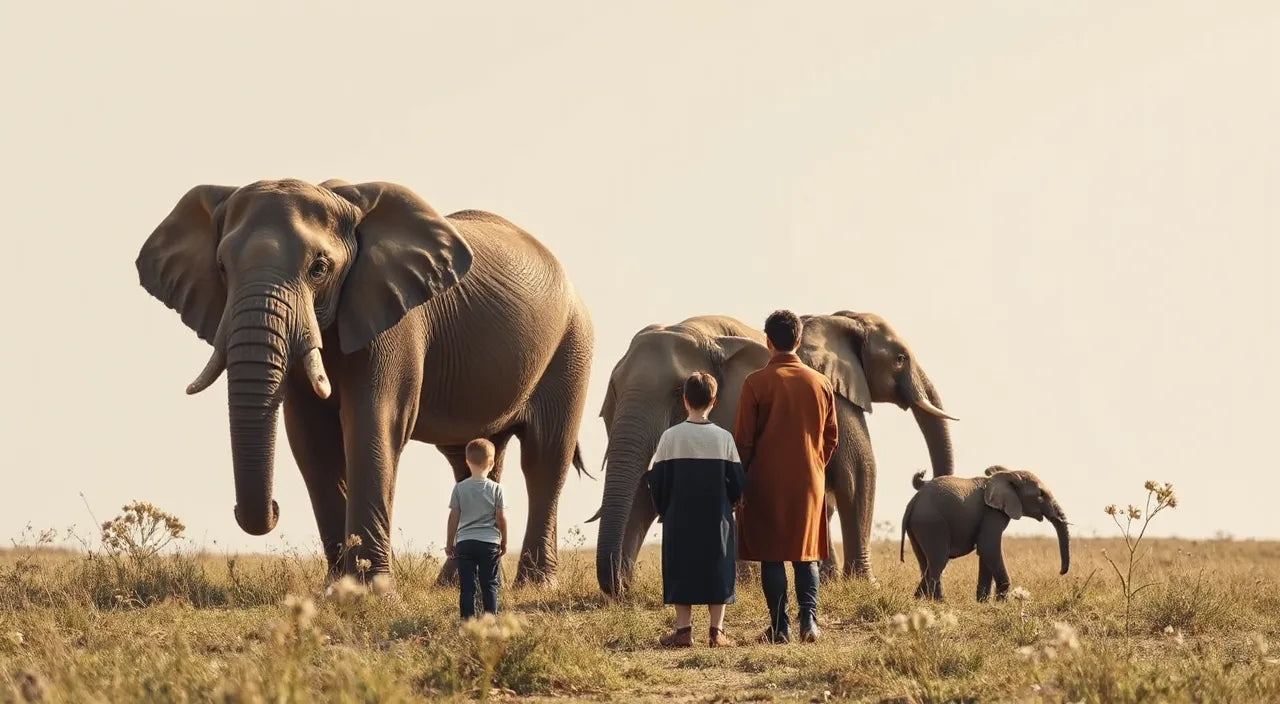
Family group observing elephants from a respectful distance
Planning for families, first-time travelers, and groups
Families often want meaningful travel that creates learning moments, not just quick photo stops. When choosing a no riding elephant sanctuary style experience, evaluate how the operator supports comfort and clarity for different age groups.
First, consider the group management approach. If you travel with children, ask about supervision ratios and whether staff provide simple rules and guidance. Second, consider physical demands. Even without riding, some programs may involve standing, walking, or weather exposure. A good operator provides packing guidance, including footwear and sun protection.
Third, assess language and communication quality. A reputable provider will explain the itinerary, safety rules, and what to expect at each stage. Communication reduces stress and improves safety outcomes.
Finally, align expectations with conservation goals. A responsible sanctuary is not a theme park. If your group is seeking performance-style interactions, you may be disappointed. If your group wants education, observation, and care support, you will likely find the experience rewarding.
Chiang Mai and Phuket considerations for ethical visits
Thailand offers multiple regions where travelers can find conservation-oriented elephant experiences. Chiang Mai is widely known for educational programs and structured visits. Phuket and nearby travel zones can also offer responsible options, depending on partnerships and itineraries.
Before you select a region, think about your travel route and logistics. Ethical programs still require time to get to and from the location. You should also consider weather patterns and group schedules. Operators should provide clear start times, meeting instructions, and guidance for what to bring.
For travelers who want a reliable way to compare options, ThaiEleHub publishes English travel content and helps guests match their preferences to the right experience format. You can review region-specific offerings to find a day structure that aligns with your goals.
If you are planning around Chiang Mai mornings or afternoons and want a structured option that centers responsible handling, consider these routes through ThaiEleHub:
If your plans include a trek option connected to conservation education, review this ThaiEleHub offering carefully for how it frames elephant welfare and guest participation:
Final checklist for selecting the right option
Use this checklist as a final filter. It focuses on practical signs that matter for no riding elephant sanctuaries.
- Program clarity: The itinerary clearly describes activities without implying mounting.
- Safety management: Staff lead the day and enforce boundaries for animal comfort and guest safety.
- Daily care focus: The operator references feeding, enrichment, and health routines in a realistic way.
- Limited crowding: The experience discourages pushing closer for photos and promotes calm observation.
- Consistent communication: Booking details, meeting instructions, and safety rules match across materials.
- Respectful tone: The program emphasizes learning and welfare rather than spectacle.
- Visitor fit: The format matches your group needs, including age range and physical comfort.
If you can answer “yes” to most of these items, you are making a stronger ethical choice. If the operator cannot provide clear explanations, you have reason to pause. Ethical travel is not only about intentions; it is about verifiable practices.
FAQ
Is “no riding” enough to confirm ethical elephant tourism?
No. No riding is an important baseline, but ethics depend on how the day is managed. Look for staff-led safety rules, animal comfort routines, and education that reflects real welfare work. A credible operator explains boundaries and focuses on care rather than performance.
What activities should I expect during a respectful visit?
Many responsible programs include guided observation, education about elephant behavior, and participation in care-support tasks that do not require mounting. You may also see enrichment routines or supervised feeding-related activities. The key indicator is whether the elephant remains the priority throughout the schedule.
How can I tell whether a sanctuary is more conservation-focused than entertainment-focused?
Conservation-focused sanctuaries communicate with specificity about daily welfare work, staff responsibilities, and how guests are guided to behave. Entertainment-focused experiences often emphasize staged moments, exaggerated claims, or guest behaviors that encourage crowding. When information is concrete and consistent, it is easier to trust the operational approach.
Closing thoughts
No riding elephant sanctuaries are a meaningful step toward responsible wildlife travel. However, the most ethical outcomes come from careful selection, clear expectations, and programs that prioritize elephant welfare over spectacle. Use the evaluation checklist, ask direct questions, and choose operators that communicate with practical detail. With a deliberate approach, your visit can support conservation while remaining respectful and educational.
About the Author
ThaiEleHub supports travelers with English guidance on responsible elephant sanctuary experiences in Thailand, with a focus on no-riding options, animal welfare, community impact, and practical planning for families and groups. The team combines travel research with on-the-ground standards used to help guests book with clarity. For friendly, fact-based recommendations tailored to Chiang Mai and Phuket itineraries, start by reviewing available options on ThaiEleHub. Thank you for choosing responsible travel and for making ethical decisions that last beyond one visit.
Disclaimer: Travel conditions and sanctuary practices can change. Always review the latest program details, ask direct questions before booking, and follow on-site safety guidance from staff.