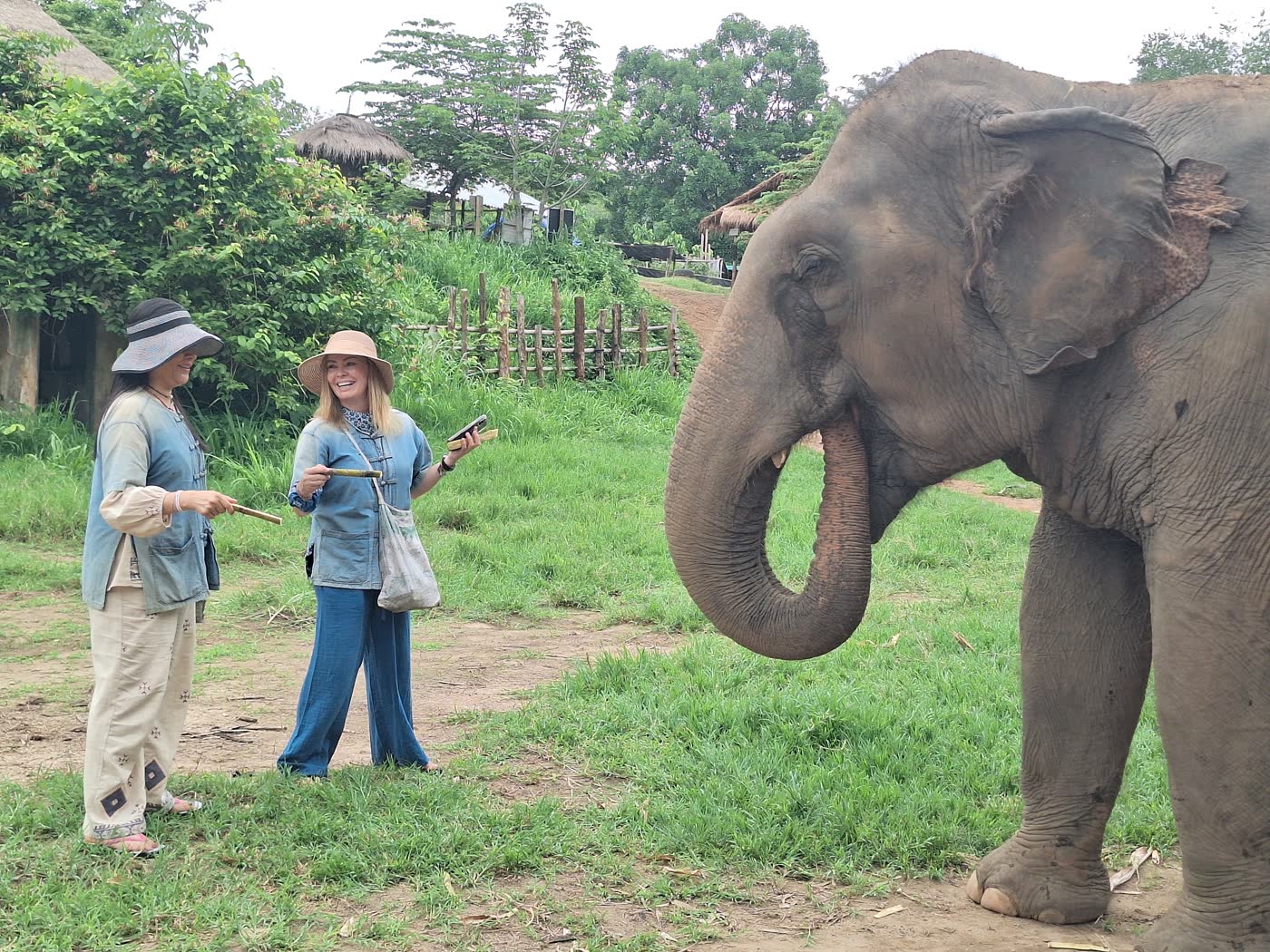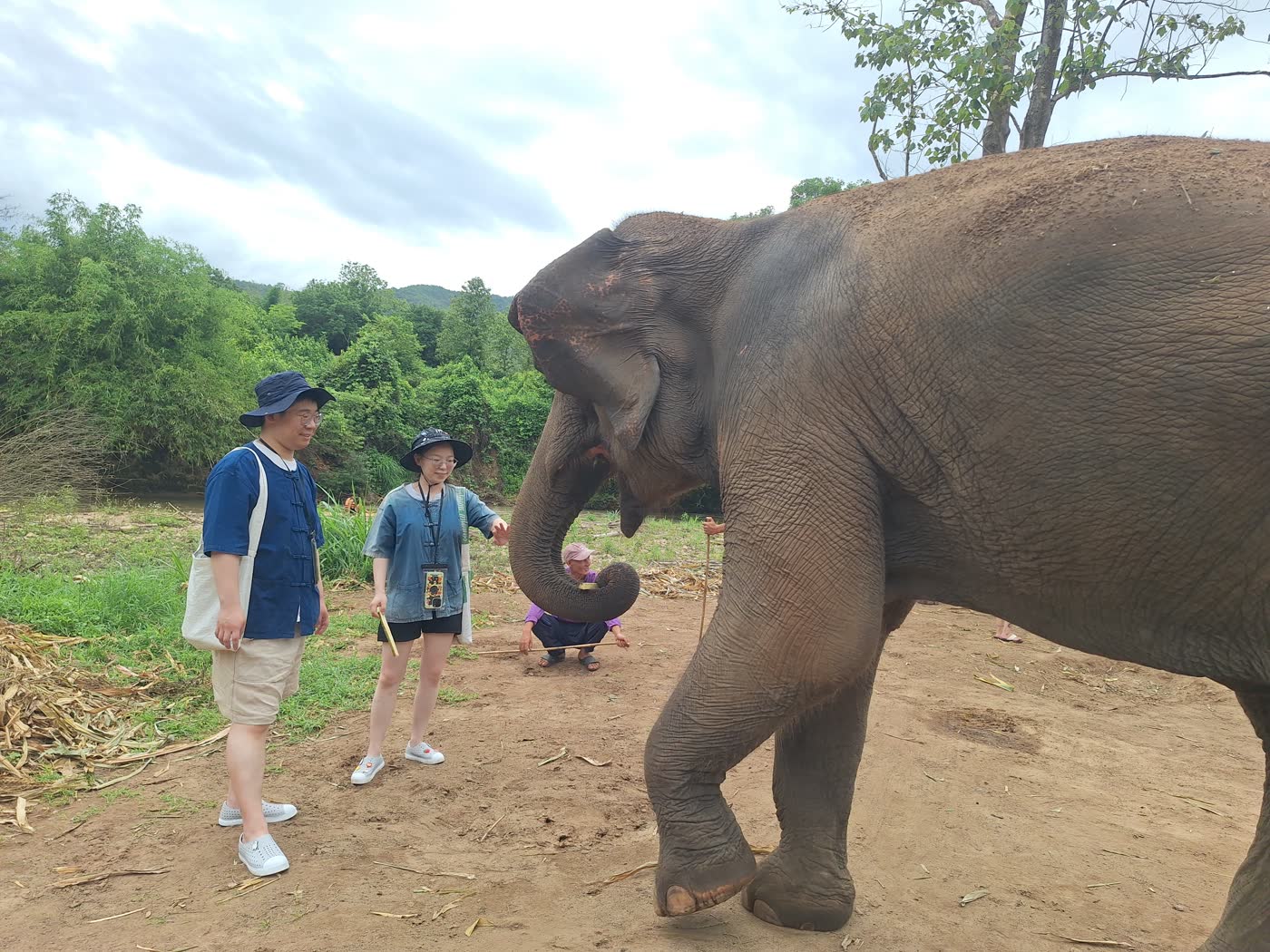
Quick answer: elephant bathing is not automatically ethical just because it looks gentle. The key question is whether the elephant chooses the interaction or whether bathing is repeated on a tourist schedule for photos.
Many travelers first imagine an elephant sanctuary as a place where they can feed, wash and stand beside elephants. Then they read forum debates and feel confused. That confusion is healthy: it means you are thinking beyond the photo.
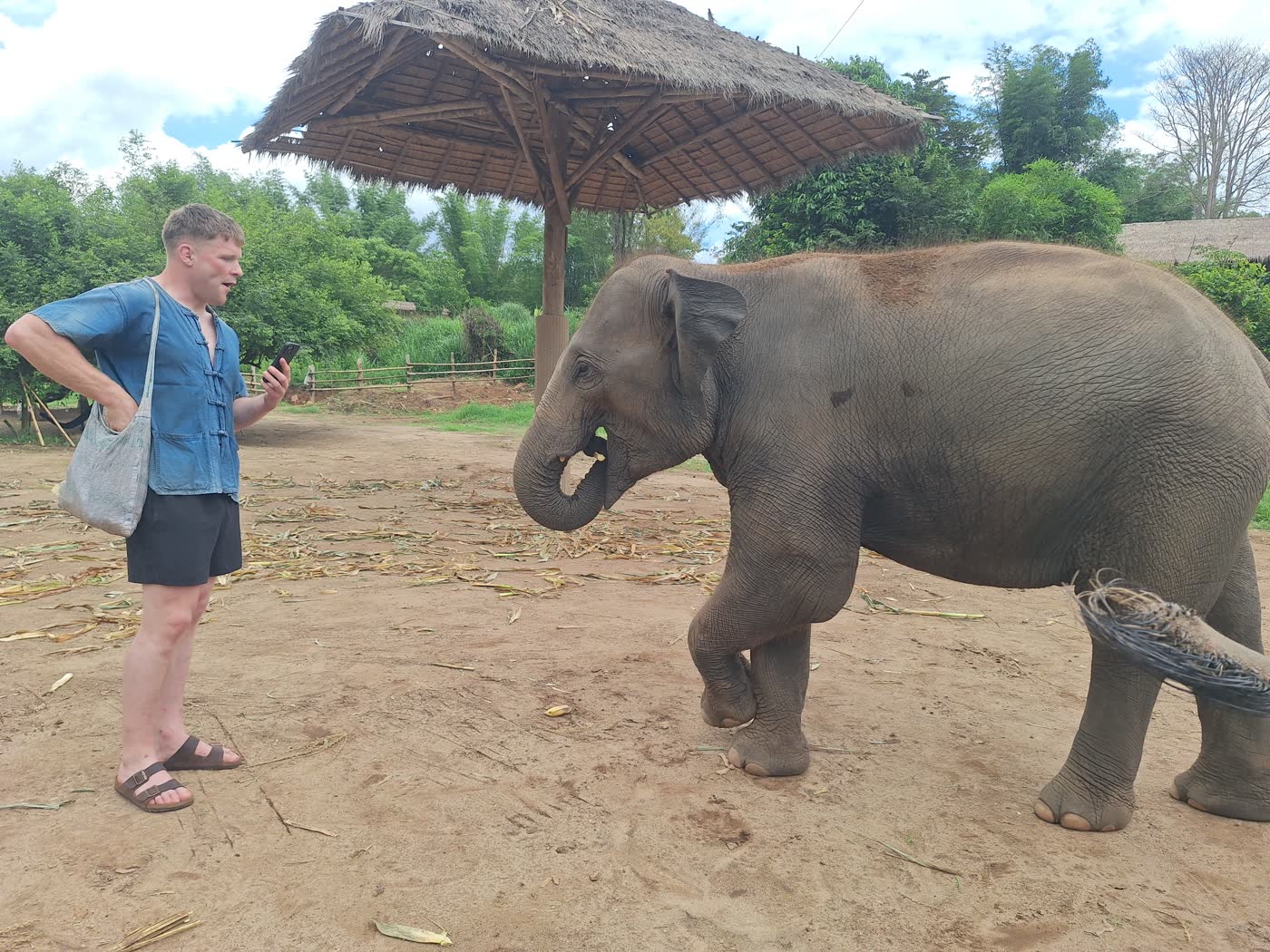
Why bathing became popular
After elephant riding became widely criticized, many venues shifted their marketing toward bathing and feeding. These activities felt kinder to visitors, but welfare groups increasingly warn that close-contact schedules can still put human expectations ahead of elephant choice.
Questions to ask about bathing
- Is bathing guaranteed for every group?
- Can the elephant walk away?
- Is the activity adjusted if the elephant does not want water time?
- Are visitors crowding the animal?
- Does the venue explain why boundaries matter?
What is a better alternative?
An observation-led visit can still be powerful. Watching elephants move, forage, rest or splash on their own terms may feel quieter than a staged activity, but it is often more respectful.
Where ThaiEleHub fits
ThaiEleHub itineraries focus on clear expectations: no riding, no shows and guided boundaries. Read each product page carefully before booking so you understand whether the day is a half-day introduction, a countryside route, a cooking combination or a Chonburi departure.
FAQ
Is feeding elephants always bad?
No. Supervised feeding can be lower risk than bathing, but it should not become constant forced contact.
Can I still get good photos without bathing?
Yes. Natural walking, forest, riverbank and feeding moments often create more honest photos than staged poses.
Should children join bathing activities?
Parents should be cautious. Children benefit most from clear guide boundaries and calm observation.