Thailand Eco-Tours: Best Regions for Nature Lovers
Updated on: 2026-08-01
Thailand eco-tours are an effective way to explore nature, culture, and local livelihoods with less environmental impact. Well-designed itineraries connect travelers to conservation efforts, community guides, and responsible tour operators. You also gain practical knowledge about ecosystems, waste reduction, and respectful travel behavior. This guide helps you choose ethically run experiences and plan with confidence.
2. Detailed Step-by-Step Process
3. What to Look for in Thailand Eco-Tours
4. Eco-Tour Planning That Works for Real Travelers
5. How to Keep a Day Tour Responsible
6. Family-Friendly and Learning-Focused Options
Essential Tips
- Prioritize operators that publish clear sustainability practices and do not rely on vague claims.
- Choose small groups when possible to reduce pressure on habitats and local services.
- Ask how transport is organized and whether routes avoid sensitive areas.
- Look for guides who explain conservation context and local community benefits.
- Verify that the itinerary supports low-impact activities, such as guided walks, birdwatching, and cultural learning.
Detailed Step-by-Step Process
Use this workflow to select Thailand eco-tours that align with your values and travel goals.
-
Define your eco-focus. Decide whether you want forests and wildlife viewing, coastal ecology, farming and food traditions, or responsible sanctuary-centered learning.
-
Shortlist destinations and seasons. Select regions that match your interests and comfort level, then plan around typical weather patterns.
-
Evaluate activity types. Prefer activities that require low-impact observation and education. Avoid experiences that center on physical performance, coercion, or unnatural handling.
-
Assess the operator’s transparency. Look for detailed descriptions of daily flow, group size, and community partnerships.
-
Confirm ethical standards in plain language. If a policy is unclear, request clarification. You should be able to understand what happens during the tour.
-
Check practical inclusions. Review transport pickup, meals, accessibility support, and safety guidance.
-
Plan your behavior. Bring reusable water bottles, follow guide instructions, and maintain distance from wildlife and vegetation.
-
Book and prepare. Confirm meeting points, packing guidance, and cancellation terms. Keep expectations realistic and focus on learning.
What to Look for in Thailand Eco-Tours
Thailand eco-tours can vary significantly in quality. The difference is often not the scenery, but the operational decisions behind the itinerary. A responsible tour should minimize disturbance, support conservation outcomes, and respect local culture.
Environmental practices that are easy to verify
Begin with operational details. A strong eco itinerary explains how it handles waste, water use, and transport planning. It also avoids activities that push the environment beyond its recovery capacity. Look for language about leave-no-trace behavior, proper waste disposal, and responsible route selection.
Community benefit that is not performative
Eco travel should create tangible value for local people. This does not require financial statistics. Instead, it should describe how guides are trained, how fees contribute to community programs, or how the tour supports local businesses and cultural preservation through fair engagement.
Wildlife ethics based on restraint, not spectacle
Responsible wildlife experiences focus on observation and education. The itinerary should reduce stress for animals and avoid practices that treat wildlife as entertainment. Any tour that emphasizes forced contact, restrictive behavior, or constant crowding is a red flag. In contrast, high-quality programs describe how animals retain choice and how visitors learn without interfering.
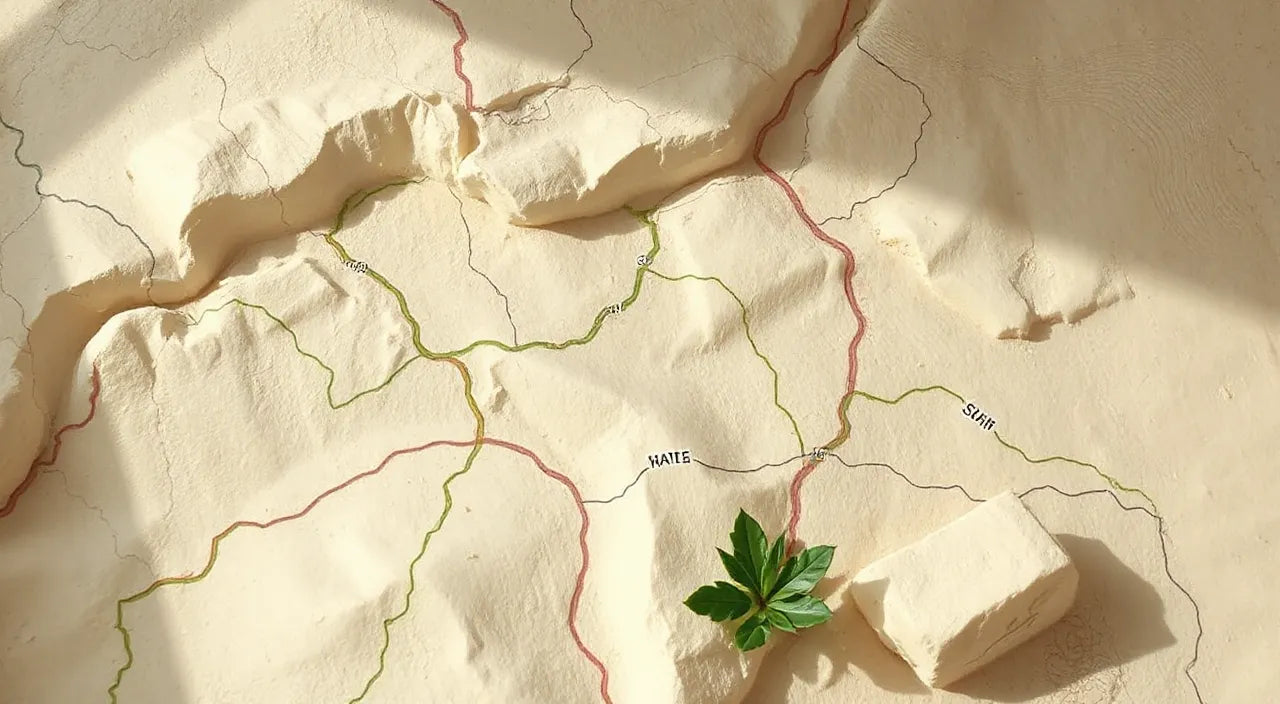
Symbolic map, green trails, small-group icons
Local guides who teach, not just escort
Thailand’s ecological and cultural landscapes are complex. A reputable eco tour uses trained local guides who can explain habitat basics, seasonal changes, and conservation challenges. You should leave with knowledge that improves future travel behavior.
Eco-Tour Planning That Works for Real Travelers
Even the best operator cannot compensate for unclear planning. Your preparation should make the experience smoother, safer, and more respectful. The goal is not to control every variable, but to reduce unnecessary impact and increase your learning time.
Choose an itinerary length that matches your energy
Many eco experiences are designed as half-day or full-day formats. Shorter tours often work well for travelers who want structured learning without long commuting. Full-day tours allow deeper context, more time for observation, and a steadier pace. Select based on your comfort, mobility, and the attention span of your group.
Plan for responsible essentials
Pack items that support low-impact travel. A reusable water bottle reduces single-use waste. Wear breathable clothing suited to tropical conditions. Bring sun protection and simple footwear for uneven paths. For photography, remember that your camera does not justify stepping outside safe zones.
Understand transport impact and timing
Transport decisions affect emissions and pressure on neighborhoods. Choose routes that limit unnecessary detours. Ask whether pickup and drop-off are efficient and how the tour schedules stops to reduce crowding.
Use guidance that respects habitats
Follow the route and rules provided by the operator. Avoid shortcuts through vegetation, and do not disturb nesting areas or animal trails. If the guide recommends changing plans to protect wildlife, treat that as responsible stewardship rather than inconvenience.

Trail silhouettes, recycling symbols, quiet wildlife viewing
Integrate learning moments throughout the day
Eco travel should include brief explanations: ecosystem basics, cultural context, and conservation practices. Look for itineraries that include interactive learning, such as community conversations or food-based cultural education that highlights sustainable ingredients and local traditions.
When to consider sanctuaries and ethical animal programs
Some Thailand eco-tours include conservation-centered sanctuary visits and guided learning about animal welfare standards. The most responsible programs prioritize safety, minimize visitor interference, and focus on education. If you plan an animal-focused day, choose experiences that clearly explain visitor boundaries and emphasize observational learning.
For travelers exploring northern Thailand, you can review ethical, education-first options in Chiang Mai through a trekking-based conservation experience. For a different pace and focus, another itinerary is available via a full-day cooking and culture option. These resources can help you compare structure, learning emphasis, and responsible behavior.
How to Keep a Day Tour Responsible
Responsibility does not end at checkout. Your behavior determines how much disruption occurs during the experience. Use these guidelines to maintain a respectful presence in natural and community spaces.
Follow distance and movement rules
Stay within designated viewpoints and do not chase wildlife. Keep voices low in quiet habitats and avoid sudden gestures. Guides should set boundaries; your role is to respect them consistently.
Reduce waste and prevent littering
Carry a small bag for personal trash. Use refill opportunities when available. If the tour provides waste bins, use them correctly. If not, keep waste with you until you can dispose of it responsibly.
Respect local culture and private spaces
Eco tours often intersect with daily life. Ask before photographing people or homes. Dress modestly where needed. If a village visit is included, follow instructions on entering areas and supporting local customs.
Choose experiences aligned with your impact tolerance
If a tour requires long drives, crowded viewpoints, or frequent stops with no learning value, consider alternatives. High-quality Thailand eco-tours optimize learning per minute, not just travel time.
Support operators with continuous improvement
Responsibility is a process. Choose operators that welcome feedback, update policies, and communicate clearly about operational practices. When you have questions, request them before booking. A transparent operator will answer plainly.
Family-Friendly and Learning-Focused Options
Eco travel can be exceptionally suitable for families because it turns sightseeing into education. The key is to choose experiences with clear pacing, age-appropriate structure, and safety guidance. When children understand why rules exist, they tend to follow them naturally.
Look for guided observation and low-stress activities
Family-friendly tours should include observation-based elements, such as nature walks, birdwatching, and cultural explanations. Avoid rushed schedules that increase fatigue and reduce attention to safety.
Teach children respectful behavior before you arrive
Explain simple rules: stay on paths, do not touch wildlife, and listen when guides speak. Bring small snacks and water, and encourage children to ask questions rather than act impulsively.
Food and local culture as an eco lens
Food-based experiences can support sustainability when they focus on local ingredients and cooking traditions. When a cooking segment is included, it should use practices that reduce waste and highlight seasonal sourcing. This approach can make eco concepts tangible without requiring complex technical explanations.
If you also value design, culture, and meaningful craft from the region, you may enjoy The Melanated Art Shop, LLC. While it is not a tour service, it can complement an eco-minded travel plan by supporting ethically minded creative work.
Summary & Takeaway
Thailand eco-tours work best when they combine practical planning with ethical execution. Focus on operators that communicate clearly about environmental practices, community benefits, and wildlife restraint. Prepare responsibly with suitable gear, respectful behavior, and realistic expectations about pace. With careful selection, you will gain meaningful learning while reducing pressure on ecosystems.
Q&A Section
How do I identify truly eco-focused Thailand eco-tours rather than green marketing?
Look for verifiable operational details: waste handling, group size, transport planning, and clear descriptions of what visitors do. Strong operators explain how the itinerary reduces disturbance and how guides educate travelers about conservation. If the information is vague or inconsistent, request clarification before booking.
Are eco-tours suitable for beginners who are not experienced travelers?
Yes. Many itineraries are structured around guided observation and straightforward participation. Choose shorter formats first if you prefer less time on the move. Prioritize tours that include clear pickup information, safety guidance, and practical packing notes.
What behaviors should visitors avoid on responsible tours?
Avoid stepping off designated paths, chasing or crowding wildlife, and photographing people without permission. Do not discard waste in natural areas. Keep voice levels low in quiet habitats and follow guide instructions even if plans change to protect animals or sensitive sites.
What is the best way to compare tour options?
Compare the daily flow, activity types, and ethical boundaries. Evaluate whether the tour includes educational context, realistic group management, and explicit visitor expectations. If you have questions, prioritize operators that respond with clear, specific answers.
Can I combine eco travel with cultural learning?
Absolutely. The most valuable itineraries connect nature and community life through guided storytelling, local conversations, and food traditions that reflect regional sourcing. This creates a more complete understanding of sustainability and helps you travel with respect.
How can I support conservation through my booking?
Choose operators that reinvest into training, community programs, and habitat protection. While financial transparency varies, you can assess commitment by looking for consistent ethical standards, long-term partnerships, and educational programming that emphasizes responsible stewardship.
Is it better to book a half-day or full-day experience?
Half-day tours are efficient for first-time visitors or those with limited time. Full-day tours tend to offer deeper context, more observation time, and a more relaxed schedule. Select based on your physical needs and your desire for learning depth.
What should I ask the tour provider before confirming?
Ask about group size, transport approach, waste and water practices, and how the tour manages wildlife interactions. You should also ask how the itinerary adapts to weather and whether the guide provides clear boundaries for visitor behavior.
What makes a guide “local” in a meaningful way?
A local guide is not only from the region, but also trained to interpret the landscape and culture responsibly. The guide should connect stories to real conservation challenges and explain how community members participate in sustainable practices.
Where can I find reliable experiences in Thailand?
Start with operators that provide detailed descriptions and consistent ethical standards. Review customer feedback that focuses on education and responsibility. Use official product pages to compare formats, inclusions, and boundaries.
Do eco-tours require special fitness levels?
Many eco tours are accessible for a wide range of fitness levels, but terrain and walking time vary. Check route difficulty, footwear recommendations, and whether there are options for shorter segments. If you have mobility concerns, ask for specific guidance before booking.
How can I keep expectations realistic?
Eco travel prioritizes learning and responsible presence over guaranteed sightings or dramatic moments. Wildlife and ecosystems are dynamic. A good tour explains how it manages variability and focuses on observation and education regardless of outcomes.
Should I avoid all animal-related activities?
Not necessarily. You should avoid experiences that involve coercion, forced contact, or entertainment-focused handling. Choose conservation-centered programs that emphasize safety, restraint, and educational boundaries.
How do I prepare for tropical weather on the day of the tour?
Bring light layers, sun protection, and water. Wear breathable clothing and footwear suitable for uneven ground. Follow the guide’s instructions for seasonal conditions and understand that routes may adjust for safety.
Can eco-tours be educational for adults as well as children?
Yes. Adults benefit from habitat explanations, conservation context, and community-focused storytelling. Select tours that include structured learning moments and opportunities to ask questions.
What does respectful photography look like?
Respect boundaries and avoid intrusive angles that cause crowding. Ask before photographing people, especially in community spaces. Do not block pathways or disrupt guides while they teach.
About the Author
ThaiEleHub
ThaiEleHub is a travel publishing team focused on English guidance for ethical elephant sanctuaries in Thailand, no-riding experiences, and conservation-centered travel. The expertise covers responsible animal encounters, local communities, family-friendly planning, and practical booking decisions for Chiang Mai and Phuket options. A friendly closing note: choose curiosity over impulse, and let your tour reflect respect for people and ecosystems.
Disclaimer: This article provides general travel guidance for responsible tourism. Tour policies, routes, and operational practices can change. Always review the latest details from your chosen operator and follow local safety instructions during your visit.