Chiang Mai Elephant Sanctuary & Cooking Class Guide
Quick answer: A Chiang Mai elephant sanctuary tour with a cooking class is a good choice for travelers who want elephant learning and local food in one organized day. The strongest options keep elephant welfare at the center—no riding, no shows and no forced commands—then add a hands-on Pad Thai or Thai cooking session without rushing the sanctuary visit.
Why combine an elephant sanctuary with Thai cooking?
Many travelers have only a few days in Chiang Mai. A combined program reduces transfers and turns one booking into a fuller Northern Thailand experience. The elephant portion provides guided learning about behavior, nutrition and daily care. The cooking portion creates a slower break in the day, usually around lunch, when guests can prepare a familiar Thai dish and ask questions about local ingredients.
The combination works best when cooking supports the itinerary rather than replacing meaningful sanctuary time. Before booking, check that the program clearly explains its animal-welfare rules, pickup window, approximate return time and what the cooking session actually includes.
Quick comparison of ThaiEleHub cooking and sanctuary options
| Program | Typical schedule | Cooking experience | Best for |
|---|---|---|---|
| Big Boy half-day morning | Pickup 07:00–07:30; return around 14:00 | Pad Thai workshop and lunch | Travelers who want a free afternoon |
| Big Boy half-day afternoon | Pickup 11:30–12:00; return around 18:30 | Pad Thai workshop and local meal | Late starters and relaxed mornings |
| Living Green full-day | Pickup 08:00–08:30; return around 17:00 | Vegetarian Pad Thai workshop | Guests wanting elephant care, cooking and habitat activities |
| Living Green rafting combination | Pickup 08:00–08:30; return around 17:00 | Pad Thai cooking and lunch | Active travelers who also want bamboo rafting |
| Casa de Mango masterclass | Pickup 07:30–08:00; return around 19:00 | Market visit and five-course cooking class | Food-focused travelers and small groups |
Times are planning windows taken from the current tour descriptions. Weather, traffic, river conditions and the elephants’ pace can change the order of activities, so guests should use the final confirmation message as the operational schedule.
What the elephant experience should look like
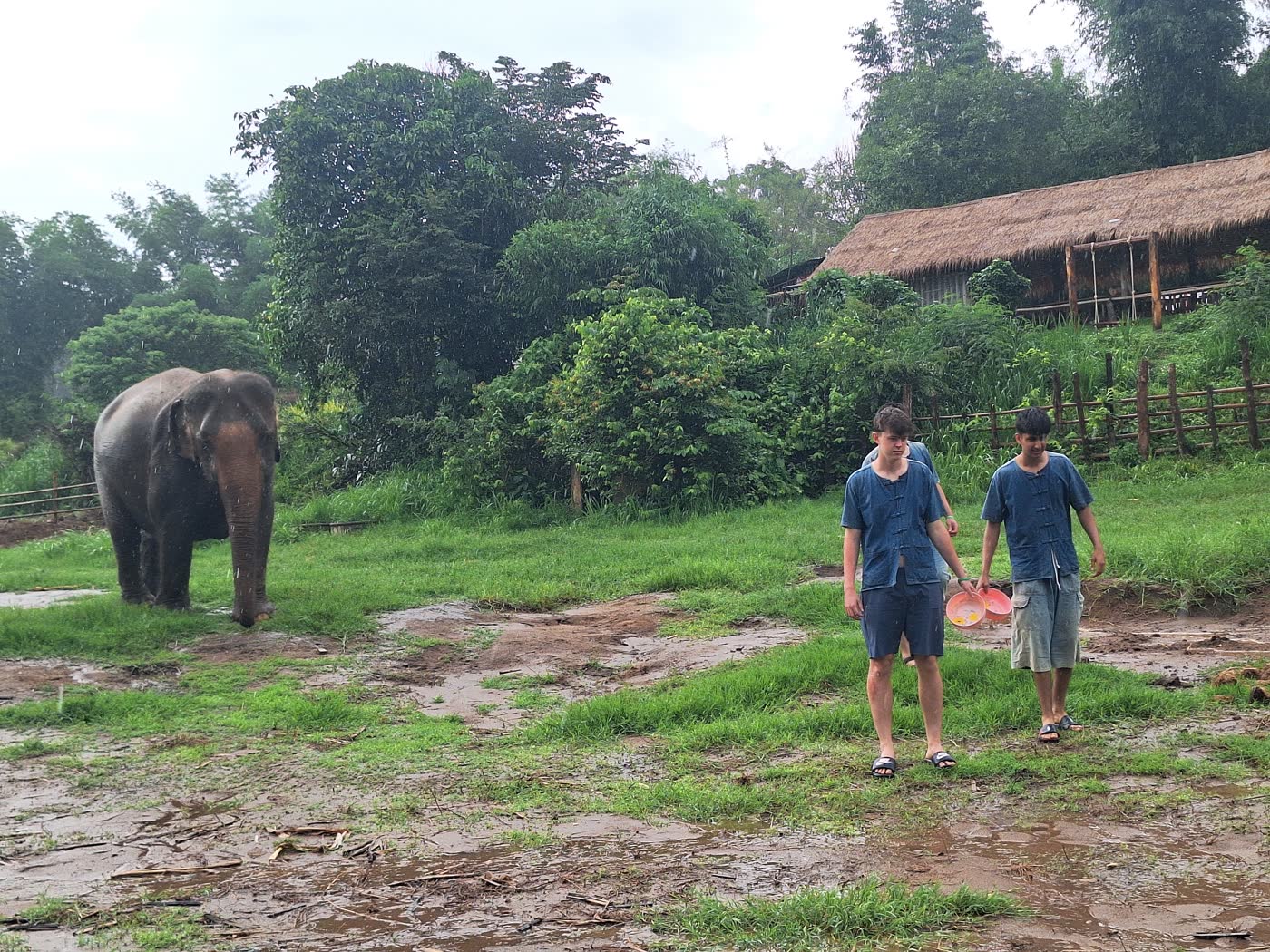
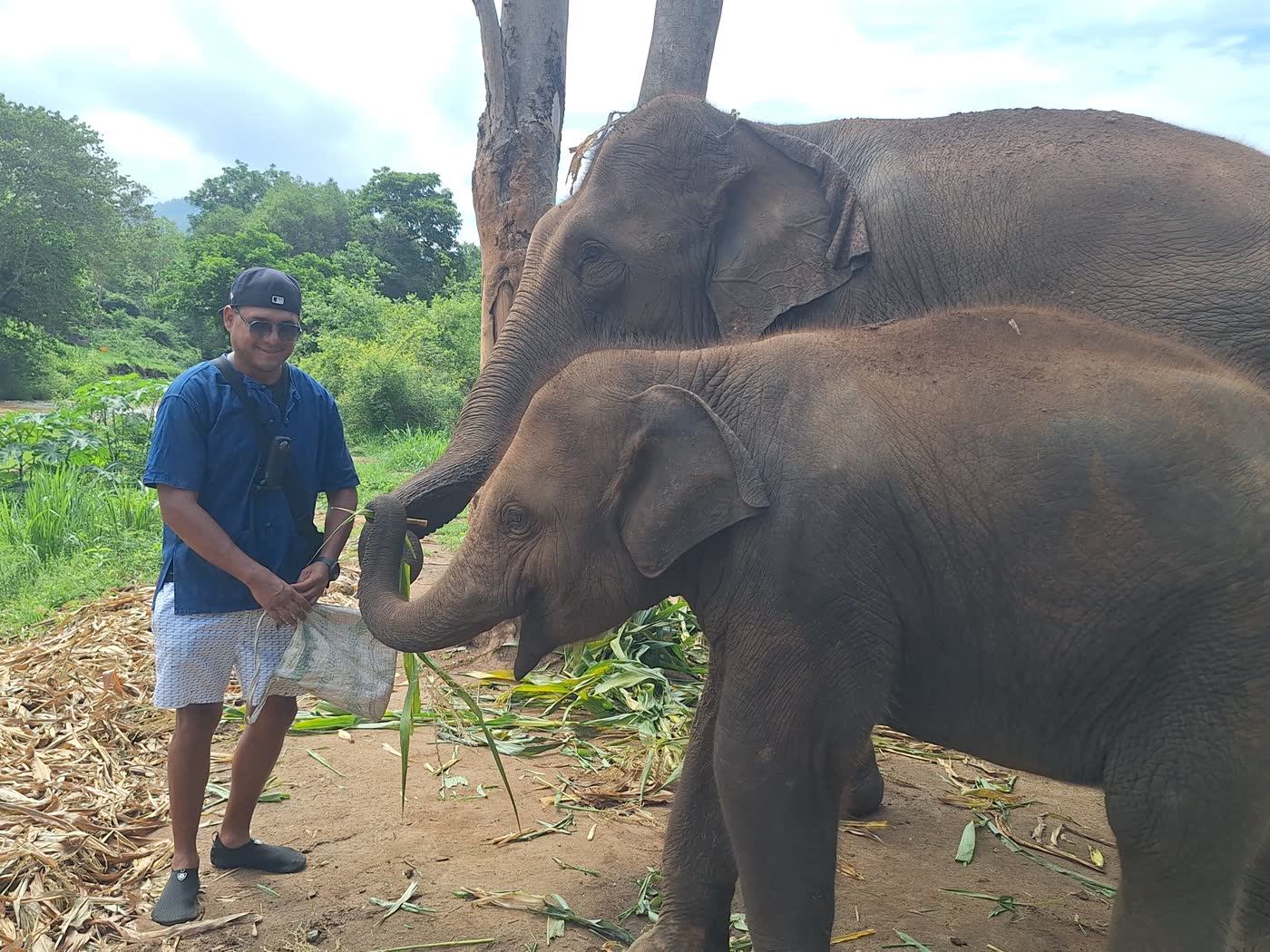
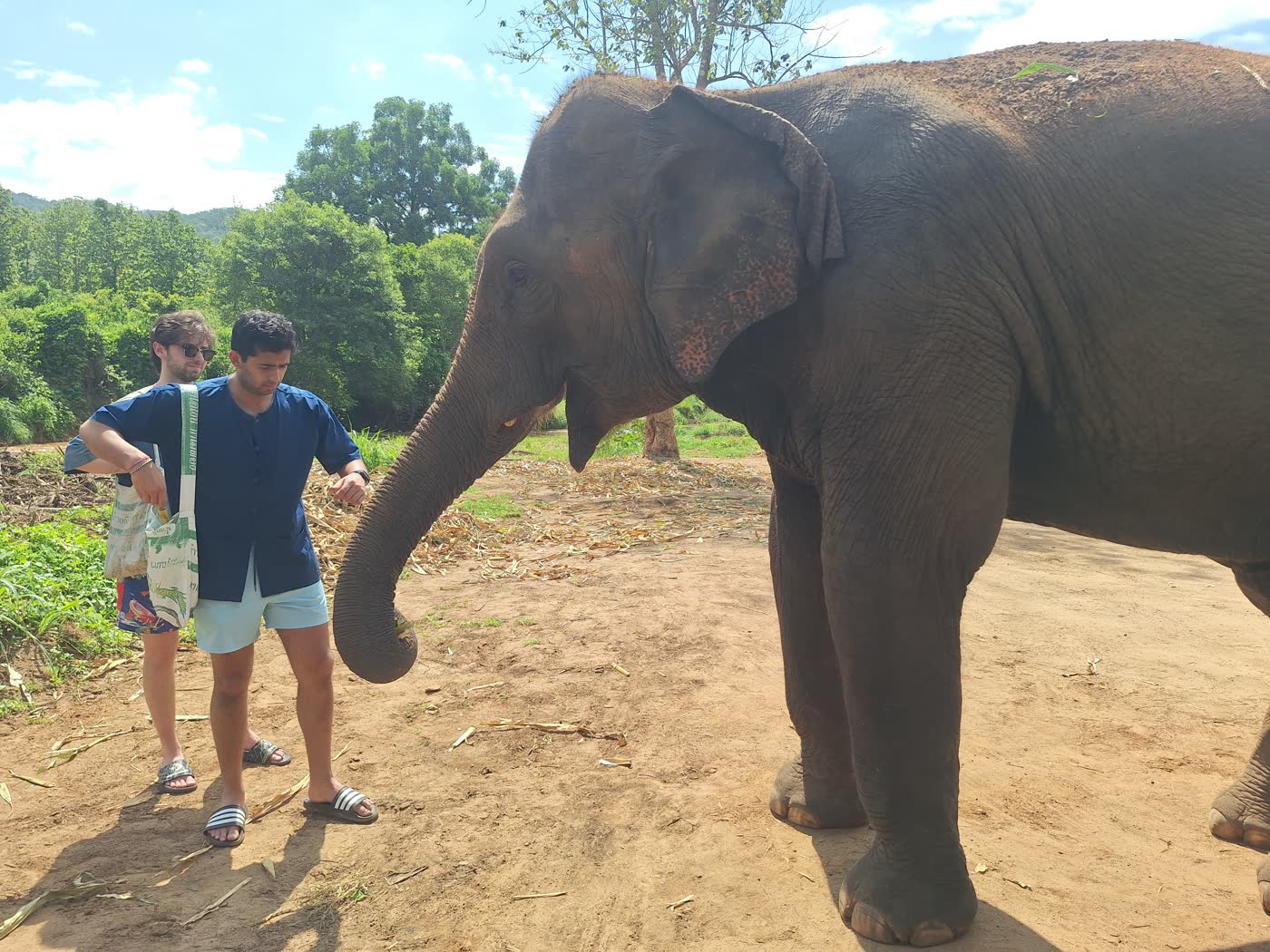
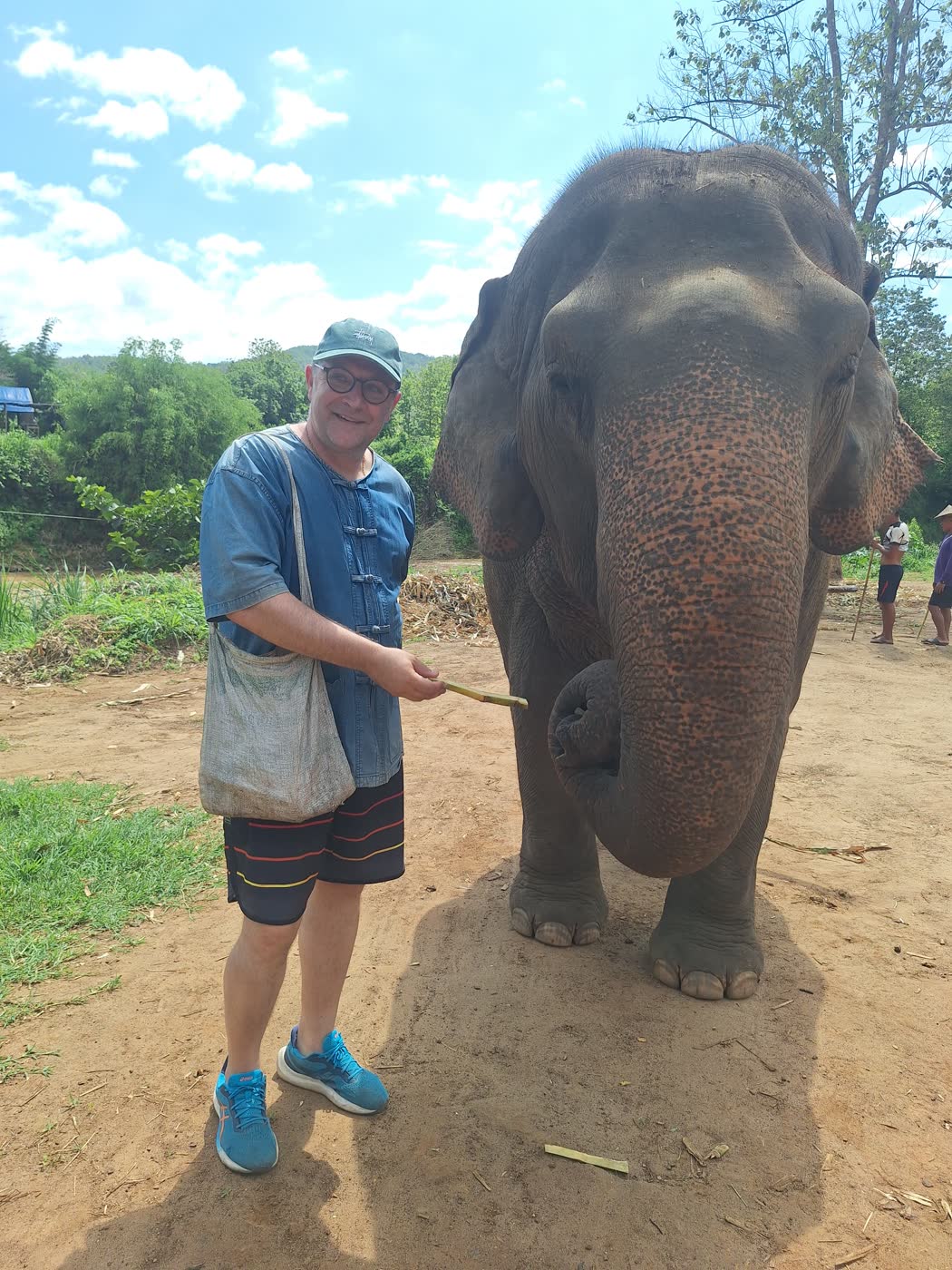
A responsible program should never depend on riding, circus-style performances or forcing elephants to repeat behaviors for photographs. Big Boy programs emphasize a no-control approach, Karen-led interpretation, food preparation, herbal vitamin balls and habitat care. Living Green programs combine guided learning, feeding, forest observation and sanctuary support activities. The precise sequence can change because elephants are living animals rather than a fixed stage attraction.
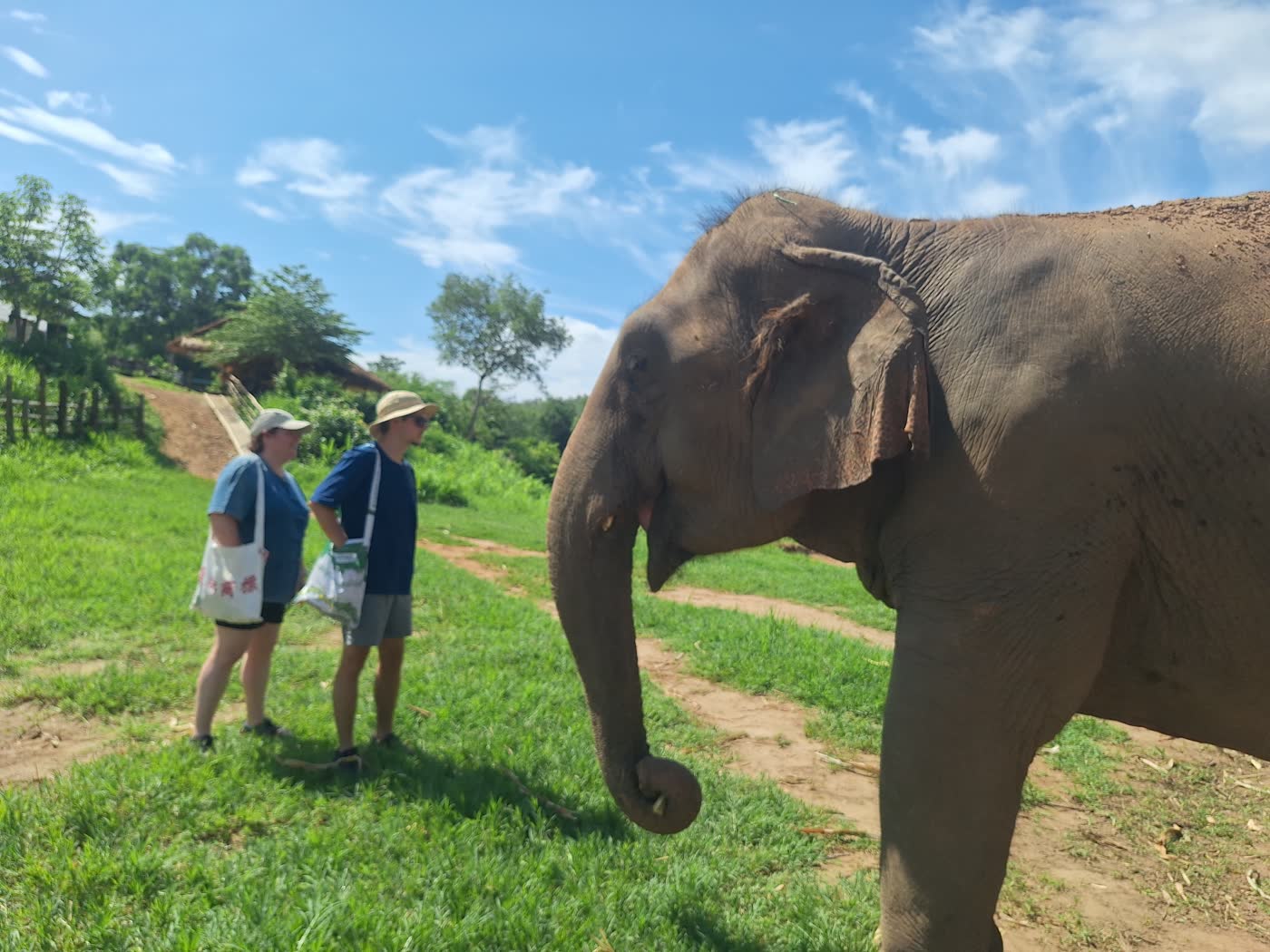
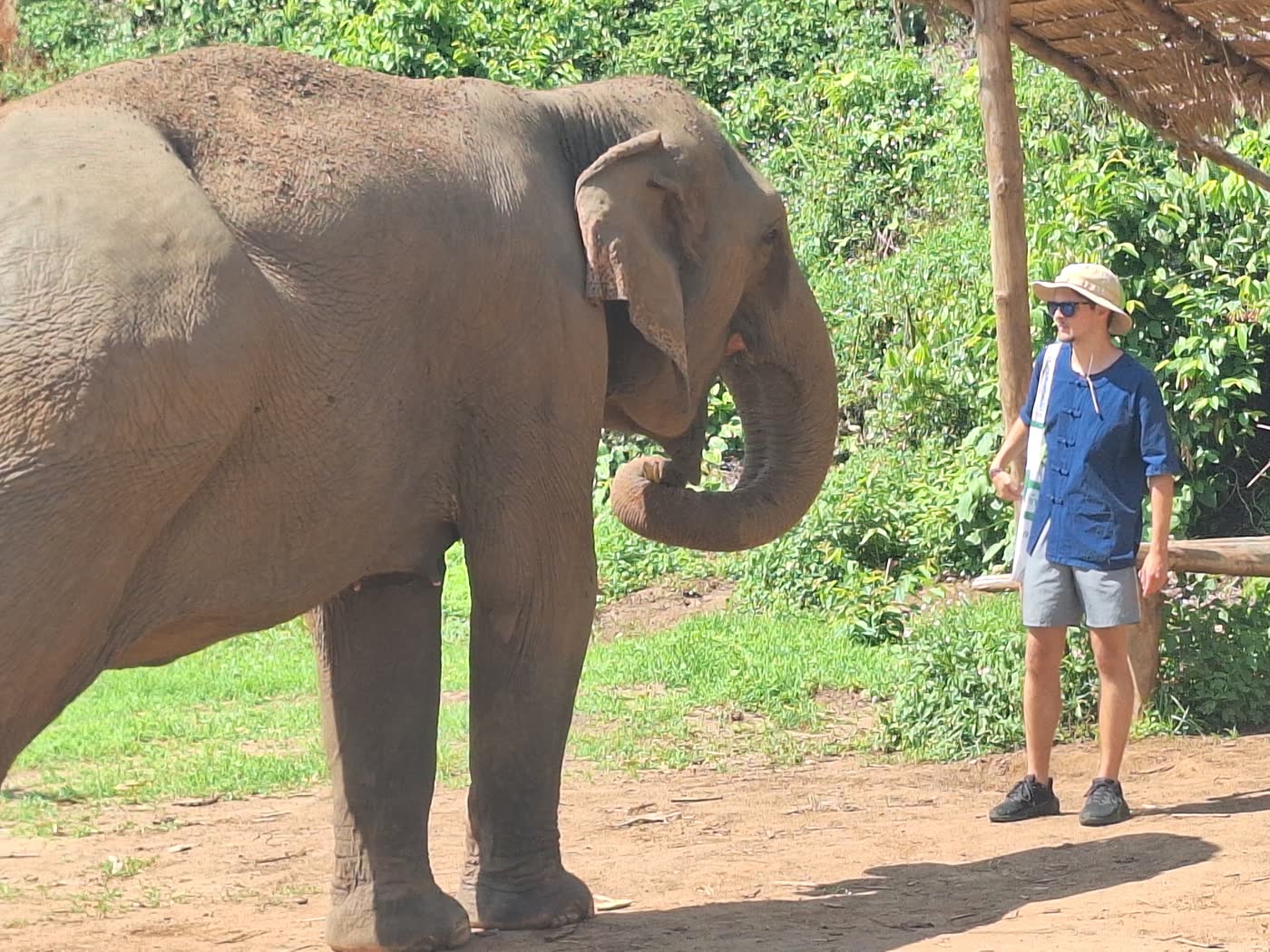
“Ethical” is not proved by a single activity or marketing label. Travelers should look for clear rules, realistic visitor boundaries, knowledgeable guides and enough time for observation. If bathing or riverside time appears in an itinerary, ask whether participation follows the elephants’ choices and current conditions.
Half-day or full-day: which format is better?
Choose a half-day when time is limited
The Big Boy morning and afternoon formats combine elephant education, food preparation, herbal care, habitat support and Pad Thai cooking within a shorter day. Morning suits travelers with evening plans. Afternoon is useful after a late arrival or a relaxed breakfast. Families should still consider the transfer time and the child’s energy level.
Choose a full-day for a slower, broader experience
A full-day program provides more breathing room between elephant learning, cooking and other activities. Living Green’s full-day cooking program adds herbal supplement preparation and planting fodder crops. Its rafting combination adds a Wang River bamboo-rafting section. Big Boy’s full-day combination adds Mae Wang Waterfall and rafting. These active options are better for guests comfortable with a longer day, changing weather and outdoor movement.
Choose a cooking-led day when food is the priority
Casa de Mango begins with a local market visit and a five-course workshop at an organic farm before the afternoon sanctuary visit. It is capped at a small group size in the current product description and allows vegetarian or vegan customization. This format gives more time to cooking than a standard Pad Thai lunch workshop.
Who this type of tour is best for
- Couples: one shared day with wildlife learning, cooking and countryside scenery.
- Families with older children: varied activities can help maintain interest, provided the transfer and total duration suit the children.
- Food-focused visitors: a practical introduction to Thai ingredients without booking a separate evening class.
- First-time Chiang Mai travelers: an efficient way to combine local culture and an ethical elephant experience.
- Active travelers: the rafting and waterfall combinations add outdoor movement beyond the sanctuary.
It may not be the best fit for very young children, travelers who need a short transfer, guests with limited mobility on uneven terrain, or anyone who wants a cooking course without an outdoor sanctuary component. Ask ThaiEleHub about walking conditions and dietary requirements before paying a deposit.
What is normally included?
Inclusions differ by product, but the current ThaiEleHub listings commonly include round-trip Chiang Mai transfers, an English-speaking guide, sanctuary activities, cooking ingredients, a meal, drinking water and accident insurance. Some programs also include traditional clothing, professional digital photographs, bamboo-raft equipment or a recipe book.
Do not assume every hotel or dietary request is automatically covered. Enter the correct hotel or pickup point during booking and send dietary information before the tour. Bring comfortable quick-dry clothing, secure sandals or water shoes, a change of clothes, a towel, sun protection and insect repellent. A waterproof bag is useful for rafting programs.
Five questions to ask before booking
- How much of the day is spent at the sanctuary? A combination tour should still provide meaningful elephant learning and observation.
- Is the cooking hands-on? Some programs teach one Pad Thai dish; others include a market visit and several courses.
- What are the pickup and return windows? Compare them with hotel checkout, flights and evening plans.
- Can dietary needs be accommodated? Vegetarian choices are common, but allergies and vegan requests should be confirmed in advance.
- What happens in bad weather? Activity order can change, and rafting depends on river conditions.
How to book through ThaiEleHub
ThaiEleHub lists separate Living Green, Big Boy and selected Chiang Mai combination programs so travelers can compare duration, pickup, activity level and cooking depth before choosing. Open the relevant product page, select the participant type and quantity, confirm the date and pickup information, and pay the displayed deposit for each traveler. The remaining balance and final operating instructions follow the terms shown for the selected tour.
Compare all Chiang Mai elephant sanctuary tours or contact ThaiEleHub on WhatsApp at +66 98 858 9666 if you need help choosing.
Frequently asked questions
Do these tours allow elephant riding or shows?
The ThaiEleHub programs linked in this guide are presented as no-riding and no-show experiences. Big Boy also describes a no-control policy with no forced commands or compulsory bathing.
Is Pad Thai always the cooking activity?
Several programs teach Pad Thai because it is accessible for first-time cooks. Casa de Mango offers a broader five-course workshop, while menus can vary by program and dietary request.
Are hotel transfers included?
The linked Chiang Mai programs list round-trip transfers, but pickup windows and eligible areas vary. Confirm your hotel name and wait for the final pickup message.
Can vegetarian or vegan travelers join?
Vegetarian options are available on relevant products, and the Casa de Mango menu can be customized for vegetarians or vegans. Report allergies and dietary requirements before the tour.
Is a half-day enough?
A half-day is suitable when you mainly want elephant education, care activities and a simple cooking workshop. Choose a full-day if you want habitat work, waterfall time, rafting or a deeper cooking class.
Can the itinerary change?
Yes. Weather, traffic, river safety and elephant behavior can change the order or timing. Core inclusions remain subject to the selected product’s current terms and final confirmation.
Last reviewed: July 2026. Schedules and inclusions are based on the current ThaiEleHub product descriptions and may be updated as operating conditions change.